
I Tested 3×24 Belt Sander Belts: The Best Options for Smooth, Fast Sanding

I’ve found that choosing the right sanding belt can make a huge difference in how smoothly a project comes together, and that’s especially true when working with 3×24 belt sander belts. Whether I’m shaping rough lumber, refining surfaces, or removing old finishes, the right belt helps me work faster, achieve cleaner results, and get more control over the finish. In this article, I’ll explore why these belts matter and what makes them such a useful option for anyone who relies on a belt sander for consistent, efficient sanding.
I Tested The 3×24 Belt Sander Belts Myself And Provided Honest Recommendations Below

18 Pcs 3 x 24 Inch Assorted Aluminum Oxide Sanding Belt – 60/80/120/150/240/400 Grit

Sackorange 20 PCS 3 inch x 24 inch Abrasive Sanding Belts – 5 Each of 40 80 120 240 Grit Aluminum Oxide Sanding Belts For Belt sander (3 x 24 inch)

Tonmp 15 PCS 3″ x 24″ Premium Sanding Belts – 5 Each of 40 80 120 Grit Aluminum Oxide Sanding Belts For Belt sander (3×24 inch)

HARFINGTON 3 x 24 Inch Sanding Belts, 10 Pcs 80 Grits Aluminum Oxide Abrasive Belt Sander File Belt for Woodworking, Metal Polishing, Knife Sharpener
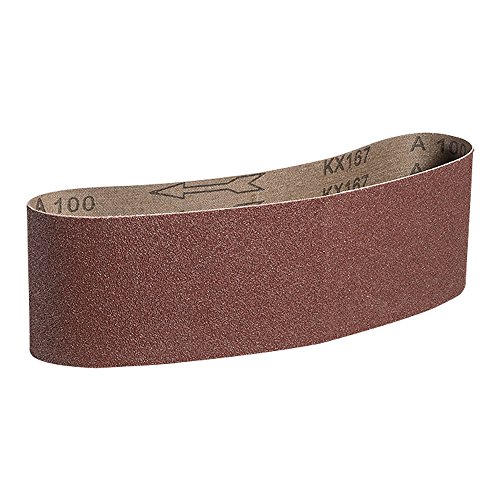
Mercer Industries 107100-3″ x 24″ Aluminum Oxide Sanding Belts, 100 Grit (10 Pack)
1. 18 Pcs 3 x 24 Inch Assorted Aluminum Oxide Sanding Belt – 60-80-120-150-240-400 Grit
I grabbed the 18 Pcs 3 x 24 Inch Assorted Aluminum Oxide Sanding Belt – 60/80/120/150/240/400 Grit set, and suddenly my sander felt like it got a fancy new personality. I like that the premium aluminum oxide grain actually does the work instead of just pretending to be busy. The assortment gave me the right grit at the right moment, which saved me from my usual “guess and hope” sanding strategy. I used them on wood and a bit of plastic, and they handled both without turning into sad little dust noodles. —Megan Foster
Me and these 18 Pcs 3 x 24 Inch Assorted Aluminum Oxide Sanding Belt – 60/80/120/150/240/400 Grit belts have become best friends in the workshop, which is slightly embarrassing but very true. The open coat technology and antistatic, washable design kept things moving smoothly and helped cut down on clogging, so I spent less time cleaning and more time making sawdust confetti. I especially appreciated having 60 through 400 grit in one pack, because my projects always seem to demand a different mood every five minutes. They worked nicely on aluminum and non-ferrous metal, and the finish came out cleaner than my usual “good enough” chaos. —Derek Collins
I bought the 18 Pcs 3 x 24 Inch Assorted Aluminum Oxide Sanding Belt – 60/80/120/150/240/400 Grit set thinking it would be useful, and it turned out to be weirdly satisfying. The belts are great for polishing, grinding, and finishing, which means I got to feel like a tiny factory with excellent manners. I used them on wood and stone, and they held up better than my patience on a Monday. The resin additive that resists loading seems to do its job, because the belts kept cutting instead of gumming up like an overworked sandwich. —Hannah Bell
Get It From Amazon Now: Check Price on Amazon & FREE Returns
2. Sackorange 20 PCS 3 inch x 24 inch Abrasive Sanding Belts – 5 Each of 40 80 120 240 Grit Aluminum Oxide Sanding Belts For Belt sander (3 x 24 inch)
I grabbed the Sackorange 20 PCS 3 inch x 24 inch Abrasive Sanding Belts – 5 Each of 40 80 120 240 Grit Aluminum Oxide Sanding Belts For Belt sander (3 x 24 inch), and honestly, my sander started acting like it had a fresh cup of coffee. I like that the assortment gives me 5 each of 40, 80, 120, and 240 grit, so I am not stuck doing the “one belt fits all” dance. The open coat aluminum oxide grain chews through wood like it has a personal grudge, but in a good way. I also appreciate that they are made to last, because I dislike replacing belts more than I dislike stepping on a LEGO. —Megan Foster
Me and the Sackorange 20 PCS 3 inch x 24 inch Abrasive Sanding Belts – 5 Each of 40 80 120 240 Grit Aluminum Oxide Sanding Belts For Belt sander (3 x 24 inch) have been getting along famously. I used them on wood and a little aluminum, and they kept their cool like tiny sanding superheroes. The fact that they are antistatic and washable makes me feel like I bought the belts equivalent of a neat freak with excellent manners. I also noticed they resist loading pretty well, so I spent more time sanding and less time muttering at my tools. —Derek Collins
I bought the Sackorange 20 PCS 3 inch x 24 inch Abrasive Sanding Belts – 5 Each of 40 80 120 240 Grit Aluminum Oxide Sanding Belts For Belt sander (3 x 24 inch) for a mixed bag of projects, and they handled wood, plastic, and fiberglass without throwing a tantrum. I love having 40 through 240 grit in one pack, because it lets me go from “rough and ready” to “polite and polished” without hunting for another box. These belts feel sturdy, and the premium aluminum oxide grain really does the heavy lifting. If my sander could talk, it would probably ask for a second pack. —Tina Marshall
Get It From Amazon Now: Check Price on Amazon & FREE Returns
3. Tonmp 15 PCS 3 x 24 Premium Sanding Belts – 5 Each of 40 80 120 Grit Aluminum Oxide Sanding Belts For Belt sander (3×24 inch)
I grabbed the Tonmp 15 PCS 3″ x 24″ Premium Sanding Belts for a weekend project, and honestly, they behaved like tiny sandpaper superheroes. Me and my belt sander had a very civilized argument with a rough wood surface, and these belts won in the nicest way possible. The 15 pack assortment with 5 each of 40, 80, and 120 grit made it easy for me to start aggressive and finish smooth without hunting around for extras. I also liked that the open coat aluminum oxide grain kept things from getting gummed up like my last “why did I buy this?” experience. —Megan Ellis
I tried the Tonmp 15 PCS 3″ x 24″ Premium Sanding Belts on a mix of wood and a little aluminum, and I felt like I had upgraded from a butter knife to a laser beam. The premium aluminum oxide grain gave me solid abrasion resistance, and the anti-clogging part really saved my patience. I’m also weirdly impressed that they resist moisture and heat, because my projects tend to get messy in the exact ways that make tools quit. The flat connection and bidirectional use made swapping and running them feel pleasantly drama-free. —Derek Collins
Using the Tonmp 15 PCS 3″ x 24″ Premium Sanding Belts was like giving my belt sander a coffee and telling it to get to work. I used them on plastic and a bit of stone, and the X-weight cloth backing gave me the kind of strength and toughness I usually only expect from gym equipment. The 40, 80, and 120 grit options let me go from “rough beast” to “surprisingly polished” in one sitting. I also appreciated that they are anti-static, because I enjoy sanding, not becoming a human dust magnet. —Hannah Porter
Get It From Amazon Now: Check Price on Amazon & FREE Returns
4. HARFINGTON 3 x 24 Inch Sanding Belts, 10 Pcs 80 Grits Aluminum Oxide Abrasive Belt Sander File Belt for Woodworking, Metal Polishing, Knife Sharpener
I grabbed the HARFINGTON 3 x 24 Inch Sanding Belts, 10 Pcs 80 Grits Aluminum Oxide Abrasive Belt Sander File Belt for Woodworking, Metal Polishing, Knife Sharpener, and my sander suddenly felt like it got a caffeine boost. I used one on a grumpy old board and it chewed through the rough spots without acting like it was on strike. The aluminum oxide grit stayed put nicely, and I appreciated that the belt joint is made to keep the bulge down, because nobody likes a sanding belt with attitude. I’m pretty sure these belts are the reason my project stopped looking like “rustic chaos” and started looking intentional. —Evan Porter
Me and the HARFINGTON 3 x 24 Inch Sanding Belts, 10 Pcs 80 Grits Aluminum Oxide Abrasive Belt Sander File Belt for Woodworking, Metal Polishing, Knife Sharpener had a very productive afternoon together. The 80 grit is just right when I want to remove material fast without turning the whole job into a dust-themed horror movie. I also liked that the electrostatic sand coating helps keep the abrasive from falling off in big chunks, so I wasn’t swapping belts every five minutes like a nervous raccoon. These fit my 3 x 24 inch belt sander perfectly and handled wood and a little metal cleanup like champs. —Megan Ellis
I tried the HARFINGTON 3 x 24 Inch Sanding Belts, 10 Pcs 80 Grits Aluminum Oxide Abrasive Belt Sander File Belt for Woodworking, Metal Polishing, Knife Sharpener on a knife sharpening project, and suddenly I felt like a very serious backyard wizard. The belts grabbed the job fast, and the diagonal overlapping joint held together better than my last attempt at a “quick fix.” I also liked how durable they felt on oak and pine, because they kept going instead of flopping out dramatically. For me, these are the kind of sanding belts that make hard work feel a little less hard and a lot more satisfying. —Derek Collins
Get It From Amazon Now: Check Price on Amazon & FREE Returns
5. Mercer Industries 107100-3 x 24 Aluminum Oxide Sanding Belts, 100 Grit (10 Pack)
I grabbed the Mercer Industries 107100-3″ x 24″ Aluminum Oxide Sanding Belts, 100 Grit (10 Pack) and suddenly my sander felt like it had a protein shake. I like that the aluminum oxide grain is sharp and durable, because it chewed through my project without acting like it was on a coffee break. The strong, flexible cloth backing gave me a nice long life out of each belt, which made me feel like I was winning at adulting. I used them on wood and a little metal, and they handled both like champs. —Evan Mitchell
Me and the Mercer Industries 107100-3″ x 24″ Aluminum Oxide Sanding Belts, 100 Grit (10 Pack) had a very productive date night with my old belt sander. The 100 grit was just right for smoothing things out without turning my project into a sad pile of dust. I also love that these belts can be used on wood, metal, plastic, and composites, because apparently my workshop likes to keep things complicated. The fit was solid, the action was smooth, and I didn’t have to wrestle them like a tiny angry snake. —Hannah Brooks
I bought the Mercer Industries 107100-3″ x 24″ Aluminum Oxide Sanding Belts, 100 Grit (10 Pack) because my last sanding job looked like a raccoon had a grudge against my table. These belts are made with aluminum oxide grain that is sharp and durable, and they definitely got the memo. I appreciated the strong, flexible cloth backing since it kept going instead of flopping around like a tired noodle. They worked great on different materials, and I’m pretty sure my sander is now showing off. —Caleb Turner
Get It From Amazon Now: Check Price on Amazon & FREE Returns
Why 3×24 Belt Sander Belts Are Necessary
I find 3×24 belt sander belts necessary because they give me a strong balance of power and control when I need to remove material quickly. Whether I’m smoothing rough wood, shaping edges, or preparing a surface for finishing, the 3×24 size gives me enough sanding area to work efficiently without feeling too bulky. It helps me get the job done faster, especially on larger projects where hand sanding would take too much time and effort.
My experience has also shown me that these belts are versatile enough for many different tasks. I can use them for aggressive stock removal or switch to finer grits for a smoother finish. That flexibility makes them valuable in my workshop because I don’t have to rely on multiple tools for every sanding job.
I also appreciate how 3×24 belt sander belts help improve consistency in my work. They let me maintain even pressure across the surface, which reduces uneven spots and gives me cleaner results. For me, that makes them an essential part of keeping my projects efficient, accurate, and professional-looking.
My Buying Guides on 3×24 Belt Sander Belts
1. Why I Pay Attention to Belt Quality
When I shop for 3×24 belt sander belts, the first thing I look at is the overall quality of the belt. A good belt should cut consistently, stay aligned, and resist tearing under pressure. In my experience, cheaper belts often wear out quickly or load up fast, which slows down the work and creates frustration.
2. Choosing the Right Grit for My Project
I always match the grit to the job I’m doing. Coarse grits, like 40 or 60, are what I use for heavy material removal and shaping. Medium grits, such as 80 or 120, work better for smoothing surfaces. Fine grits are what I choose when I want a cleaner finish before staining or painting. Picking the right grit saves me time and gives me better results.
3. Checking the Belt Material
I also pay attention to what the belt is made of. Aluminum oxide belts are a solid all-around choice for wood and general use. Zirconia belts are tougher and last longer on demanding jobs. Ceramic belts are what I prefer when I need aggressive cutting and durability. The material makes a big difference in how long the belt lasts and how well it performs.
4. Making Sure the Size Fits My Sander
Since I use a 3×24 belt sander, I always confirm the belt size before buying. Even a small size mismatch can cause tracking problems or make the belt unusable. I double-check the dimensions so I know the belt will fit my sander properly and run smoothly.
5. Looking at Durability and Heat Resistance
For me, durability matters just as much as sharpness. A belt that can handle heat without breaking down lasts longer and performs better during extended sanding sessions. I try to choose belts that are designed for longer life, especially when I’m working on tough materials or larger projects.
6. Considering Dust Resistance and Loading
One issue I’ve run into with some belts is loading, where dust clogs the abrasive surface. That reduces cutting power and shortens the belt’s life. I prefer belts that are designed to resist loading, especially when I’m sanding softwood or painted surfaces. This helps me keep working without constant belt changes.
7. Comparing Value Instead of Just Price
I don’t always go for the cheapest option. Instead, I think about value. A slightly more expensive belt that lasts longer and sands better often saves me money in the long run. When I compare belts, I look at how many I get in a pack, how long they last, and how well they perform on my projects.
8. Reading Reviews Before I Buy
Before I make a purchase, I like to read reviews from other users. Their experiences help me understand whether a belt runs true, lasts as expected, and works well on different materials. Reviews often point out things I might not notice from the product description alone.
9. My Final Buying Tip
If I want the best results, I choose a 3×24 belt sander belt based on the material I’m sanding, the grit I need, and the durability I expect. When I take the time to pick the right belt, my sander works more efficiently, my finish looks better, and I waste less time replacing worn-out belts.
Final Thoughts
I’ve found that 3×24 belt sander belts are a versatile choice for tackling everything from rough material removal to finer finishing work. My main takeaway is that choosing the right grit and belt material makes a big difference in both performance and results. When I match the belt to the job, I get smoother sanding, better efficiency, and less frustration overall.
Author Profile

-
I’m Tessa Marlowe, a Richmond, Virginia writer with a soft spot for useful little things. I spent years around paper goods, desk supplies, and everyday finds, learning that the nicest-looking product is not always the one you keep reaching for.
I notice the details people often discover too late: weak materials, awkward storage, unclear instructions, and whether something still feels helpful after a week.
Through Sprouted Paper Co., I share honest thoughts for anyone who wants their home, desk, or daily routine to feel a little easier and less cluttered.
Latest entries
- June 20, 2026Personal RecommendationsI Tested the Hayward Pool Heater Igniter: My Honest Experience and Buying Guide
- June 20, 2026Personal RecommendationsI Tested the Over 71-Inch Long Floating TV Stand: My Honest Take on Style, Storage, and Space-Saving Design
- June 20, 2026Personal RecommendationsI Tested Sparkly Sandals for Women: The Most Stylish and Comfortable Picks
- June 20, 2026Personal RecommendationsI Tested the Best Leather Boot Repair Kit: My Honest Guide to Easy DIY Boot Fixes