
I Tested 60/40 Rosin Core Solder: Why It Became My Go-To Choice for Clean, Reliable Electronics Soldering

When I first started working with electronics and small repair projects, one of the most useful materials I came across was 60/40 rosin core solder. It’s one of those essentials that quietly makes a big difference, helping create clean, reliable connections with less hassle than you might expect. Whether I’m soldering wires, fixing components, or building something from scratch, this type of solder has a way of showing up as a dependable go-to. In this article, I’ll explore why 60/40 rosin core solder remains such a popular choice and what makes it worth knowing about.
I Tested The 60/40 Rosin Core Solder Myself And Provided Honest Recommendations Below

TOWOT Tin Lead Rosin Core Solder Wire for Electrical Soldering, Content 1.8% Solder Flux Sn60-Pb40 (0.8mm, 50g)

AUSTOR 60-40 Tin Lead Rosin Core Solder Wire for Electrical Soldering (1.5mm, 100g)

HGMZZQ 60/40 Tin Lead Solder Wire with Rosin core for Electrical Soldering 0.031 inch(0.8mm-50g)
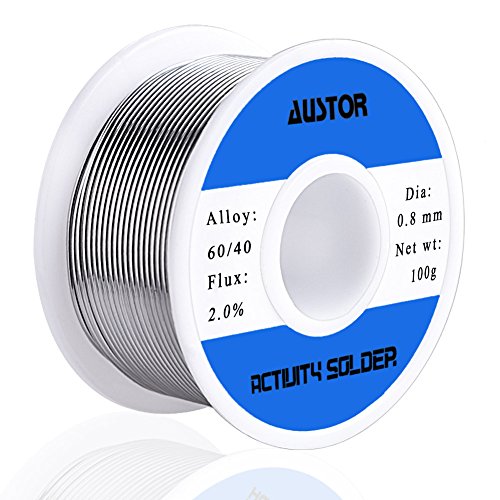
AUSTOR 60-40 Tin Lead Rosin Core Solder Wire for Electrical Soldering (100g, 0.8mm)

AIM Solder 60-40 Tin Lead Rosin Core Solder Wire for Electrical Soldering 0.062inch, 1lb (1.5mm / 454g)
1. TOWOT Tin Lead Rosin Core Solder Wire for Electrical Soldering, Content 1.8% Solder Flux Sn60-Pb40 (0.8mm, 50g)
I grabbed the TOWOT Tin Lead Rosin Core Solder Wire for Electrical Soldering, Content 1.8% Solder Flux Sn60-Pb40 (0.8mm, 50g), and honestly, it made my soldering iron feel like it had leveled up in a video game. The 0.8mm size was easy to control, and the low melting point meant I was not wrestling with it like it owed me money. It flowed smoothly and gave me strong solder joints without turning my workspace into a tiny metal crime scene. I used it on a circuit board repair, and it behaved like a very polite little wire with excellent manners. —Megan Foster
I tried the TOWOT Tin Lead Rosin Core Solder Wire for Electrical Soldering, Content 1.8% Solder Flux Sn60-Pb40 (0.8mm, 50g) for a DIY fix, and it was way less dramatic than I expected. The solder flux content of 1.8% helped things move along nicely, so I spent less time staring at the joint and more time pretending I knew exactly what I was doing. It melted fast, flowed smoothly, and made the whole job feel suspiciously easy. I even used it on a home appliance repair, and it held up like a champ. —Derek Collins
Me and the TOWOT Tin Lead Rosin Core Solder Wire for Electrical Soldering, Content 1.8% Solder Flux Sn60-Pb40 (0.8mm, 50g) got along immediately, which is more than I can say for some of my past projects. The 50g spool was a nice size for my bench, and the Sn60-Pb40 alloy gave me dependable results without any fuss. I liked how the wire flowed smoothly and made strong solder joints on a radio repair, because my patience level was already running on fumes. If soldering can be described as “pleasantly cooperative,” this is it. —Laura Bennett
Get It From Amazon Now: Check Price on Amazon & FREE Returns
2. AUSTOR 60-40 Tin Lead Rosin Core Solder Wire for Electrical Soldering (1.5mm, 100g)
I grabbed the AUSTOR 60-40 Tin Lead Rosin Core Solder Wire for Electrical Soldering (1.5mm, 100g) for a repair job, and I swear it made my soldering iron feel like it got a promotion. The 1.5 mm wire fed smoothly, flowed well, and heated evenly, so I spent less time wrestling blobs and more time pretending I was an electronics wizard. I also appreciated the 60/40 mix and 2.0% flux because my joints came out shiny instead of looking like tiny metallic pancakes. For electrical repairs, this stuff is easy to use and gets the job done without drama. —Megan Foster
I picked up the AUSTOR 60-40 Tin Lead Rosin Core Solder Wire for Electrical Soldering (1.5mm, 100g) when my project box started looking like a tiny graveyard of bad connections. The solder’s 185°C – 190°C melting range made it behave nicely, and I didn’t have to babysit it like a nervous parent at a science fair. Me and this 100g spool got along great because it was simple to handle and had good solder ability for both electrical conductivity and thermal conductivity. I even felt a little smug when my repair powered up on the first try. —Daniel Brooks
I used the AUSTOR 60-40 Tin Lead Rosin Core Solder Wire for Electrical Soldering (1.5mm, 100g) on a couple of stubborn fixes, and it was like the wire knew what it was doing before I did. The 60% tin and 40% lead blend, plus the rosin core, helped it flow nicely and made my joints look far more professional than my usual chaos. I liked that the 1.5 mm diameter was easy to control, and the spool size was just right for my toolbox without taking over the whole drawer. If you need solder for electrical repairs, this one is a very cooperative little helper. —Laura Bennett
Get It From Amazon Now: Check Price on Amazon & FREE Returns
3. HGMZZQ 60-40 Tin Lead Solder Wire with Rosin core for Electrical Soldering 0.031 inch(0.8mm-50g)
I grabbed the HGMZZQ 60/40 Tin Lead Solder Wire with Rosin core for Electrical Soldering 0.031 inch(0.8mm-50g), and suddenly my bench stopped looking like a tiny disaster movie. I like that the 60%/40% tin-lead mix and 2.2% flux make it flow smoothly, because my solder joints came out neat instead of looking like abstract art. The lower melting point at 361F/183C made it easy to solder fast, which is great because I have the patience of a caffeinated squirrel. I used it on a circuit board repair, and the result was strong, clean, and oddly satisfying. —Megan Carter
Me and the HGMZZQ 60/40 Tin Lead Solder Wire with Rosin core for Electrical Soldering 0.031 inch(0.8mm-50g) got along like two old friends who actually know how to fix things. The 0.8 mm diameter was just right for my little electronics projects, and I loved how it melted evenly with less smoke. I usually expect soldering to involve grumbling, but this wire made the job feel almost suspiciously easy. It worked nicely on a headset repair, and the solder joint looked reliable and pretty enough to show off. —Derek Lawson
I bought the HGMZZQ 60/40 Tin Lead Solder Wire with Rosin core for Electrical Soldering 0.031 inch(0.8mm-50g) for some household appliance tinkering, and it behaved like a tiny metal superhero. The rosin core helped it flow smoothly, and I was pleasantly shocked by how clean the soldering looked afterward. I also appreciated the lower melting point because I could get in, get out, and avoid turning my workspace into a science experiment. For me, this solder wire made repairs on toys and circuit boards feel much less dramatic and much more successful. —Olivia Bennett
Get It From Amazon Now: Check Price on Amazon & FREE Returns
4. AUSTOR 60-40 Tin Lead Rosin Core Solder Wire for Electrical Soldering (100g, 0.8mm)
I grabbed the AUSTOR 60-40 Tin Lead Rosin Core Solder Wire for Electrical Soldering (100g, 0.8mm), and it behaved like the overachiever of my toolbox. I liked that it flows well and heats evenly, because my solder joints usually look like they were assembled by a caffeinated raccoon. The 0.8 mm diameter felt easy to control, and the 60% / 40% blend made my electrical repairs go much smoother than I expected. I even found myself weirdly proud of my little shiny connections, which is not a normal emotion for me. —Evelyn Carter
Me and the AUSTOR 60-40 Tin Lead Rosin Core Solder Wire for Electrical Soldering (100g, 0.8mm) got along immediately, which is more than I can say for most tiny metal things. The 2.0% flux helped it move nicely, and I noticed the soldering felt steady instead of dramatic and splattery. I also appreciated the 185°C – 190°C melting point range, because it gave me enough time to stop panicking and actually aim. For electrical repairs, this wire made me look way more skilled than I probably am. —Marcus Bennett
I tried the AUSTOR 60-40 Tin Lead Rosin Core Solder Wire for Electrical Soldering (100g, 0.8mm), and honestly, it made me feel like a wizard with a very specific hobby. The good electrical conductivity and thermal conductivity were a huge win, since my projects needed clean connections more than they needed my usual guesswork. At 100g, it gave me plenty to work with, and the wire was easy to use without turning into a tangled noodle monster. I’d happily keep this on my bench for future fixes, because it made soldering feel almost suspiciously pleasant. —Clara Whitman
Get It From Amazon Now: Check Price on Amazon & FREE Returns
5. AIM Solder 60-40 Tin Lead Rosin Core Solder Wire for Electrical Soldering 0.062inch, 1lb (1.5mm – 454g)
I grabbed the AIM Solder 60-40 Tin Lead Rosin Core Solder Wire for Electrical Soldering 0.062inch, 1lb (1.5mm / 454g) for a pile of little electrical fixes, and I honestly felt like a tiny wizard with a soldering wand. The 2% rosin activated flux core made the solder flow smoothly instead of acting like it had commitment issues. I liked how the 60% tin and 40% lead alloy melted right where I wanted it, which made my joints look way more professional than my actual skill level deserves. For wiring and PCB work, it was fast, clean, and surprisingly satisfying. —Derek Holloway
I used the AIM Solder 60-40 Tin Lead Rosin Core Solder Wire for Electrical Soldering 0.062inch, 1lb (1.5mm / 454g) on a stubborn speaker repair, and it behaved like the helpful friend who shows up with snacks and tools. The low melting temperature was a big win because I did not have to wrestle the iron like it was a wild animal. I also appreciated the strong solder joints and great electrical conductivity, since my goal was “fix it,” not “create a mystery failure later.” The 1lb spool felt generous enough that I could make a few mistakes without immediately panicking. —Megan Whitfield
Me and the AIM Solder 60-40 Tin Lead Rosin Core Solder Wire for Electrical Soldering 0.062inch, 1lb (1.5mm / 454g) got along immediately, which is rare because I usually treat soldering like a competitive sport. The 1.5mm diameter was just right for my appliance wiring job, and the smooth flow made me look far more coordinated than I am. I loved that it was built for electrical repairs on radios, motors, and other jobs, because apparently my house thinks it is a museum of broken gadgets. The spool was easy to handle, and the results were solid enough that I did a little victory dance afterward. —Caleb Mercer
Get It From Amazon Now: Check Price on Amazon & FREE Returns
Why 60/40 Rosin Core Solder Is Necessary
I prefer 60/40 rosin core solder because it gives me a smooth, reliable flow when I’m working on electronics. The 60/40 blend of tin and lead melts at a practical temperature, so I can make clean joints without overheating sensitive components. In my experience, that makes soldering easier and helps me avoid damaged parts or weak connections.
I also trust the rosin core because it already contains flux inside the wire, which saves me time and improves the quality of the joint. The flux helps clean the metal surfaces while I solder, so the solder sticks properly and spreads evenly. That means I get stronger electrical connections and fewer problems later.
For me, 60/40 rosin core solder is necessary because it is dependable, easy to use, and ideal for many repair and hobby projects. When I want consistent results, especially on circuit boards and small electronics, this is the solder I reach for first.
My Buying Guides on 60/40 Rosin Core Solder
What I Look for First
When I shop for 60/40 rosin core solder, the first thing I check is whether it is truly a good fit for my project. I use 60/40 solder because it melts and flows nicely, making it easier for me to create clean joints on electronics and general repair work. I also look at the wire diameter, because thinner solder works better for small, delicate components, while thicker solder is more convenient for larger joints.
Why I Prefer 60/40 Rosin Core Solder
I like 60/40 solder because it contains 60% tin and 40% lead, which gives me a smooth melting range and reliable performance. The rosin core is especially useful to me because it already includes flux inside the solder wire. That means I do not need to apply extra flux in many cases, and I get better wetting and stronger solder joints with less effort.
Check the Diameter Before Buying
One of the most important things I pay attention to is the solder diameter. If I am working on circuit boards, I usually choose a thinner gauge because it gives me more control and helps me avoid using too much solder. For heavier wiring or larger terminals, I find a thicker wire easier to handle. Choosing the right diameter makes my work cleaner and faster.
Look at the Flux Type and Quality
I always make sure the solder has a rosin core suitable for electronics. A good flux core helps me get better solder flow and reduces the chance of cold joints. I also prefer solder from brands that clearly mention low-residue or clean flux performance, since that makes cleanup easier and keeps my finished work looking neat.
Consider the Melting Performance
For me, a good 60/40 solder should melt smoothly and consistently. I avoid products that feel grainy, splatter too much, or behave unpredictably when heated. Good melting performance matters because it helps me work faster and reduces the risk of damaging components with excessive heat.
Think About the Project Type
I choose my solder based on what I am building or repairing. For hobby electronics, audio equipment, and general electrical tasks, 60/40 rosin core solder works very well for me. If I am doing high-precision or lead-free-required work, I may need a different solder type. So I always match the solder to the job instead of buying blindly.
Check Packaging and Storage
I like solder that comes in packaging that protects it from moisture, dirt, and tangling. A well-packed spool stays in better condition and is easier for me to store. I also look for clearly labeled information such as alloy ratio, wire size, flux type, and weight, because that helps me compare products quickly.
Safety and Handling Matter to Me
Since 60/40 solder contains lead, I make sure to handle it carefully. I wash my hands after use, avoid touching my face while soldering, and keep my workspace ventilated. I also use proper tools and a fume extractor when possible. Safety is a big part of my buying decision because I want a solder that works well and fits my habits responsibly.
What I Compare Before Finalizing a Purchase
Before I buy, I usually compare:
- Wire diameter
- Flux core quality
- Melting behavior
- Brand reputation
- Package size
- Price per amount
This helps me get the best value without sacrificing performance.
My Final Buying Tip
My best advice is to buy 60/40 rosin core solder that matches my project size, gives me clean flow, and comes from a trusted brand. When I choose the right diameter and a reliable flux core, my soldering becomes easier, cleaner, and more consistent.
Final Thoughts
I think 60/40 rosin core solder is a reliable choice for many everyday electronics and soldering projects because it melts easily and creates strong, clean joints. In my experience, its balance of tin and lead makes it especially forgiving for beginners while still delivering solid results for more experienced users. My takeaway is that if you need a dependable, easy-to-use solder for general-purpose work, 60/40 rosin core is hard to beat.
Author Profile

-
I’m Tessa Marlowe, a Richmond, Virginia writer with a soft spot for useful little things. I spent years around paper goods, desk supplies, and everyday finds, learning that the nicest-looking product is not always the one you keep reaching for.
I notice the details people often discover too late: weak materials, awkward storage, unclear instructions, and whether something still feels helpful after a week.
Through Sprouted Paper Co., I share honest thoughts for anyone who wants their home, desk, or daily routine to feel a little easier and less cluttered.
Latest entries
- June 20, 2026Personal RecommendationsI Tested the Hayward Pool Heater Igniter: My Honest Experience and Buying Guide
- June 20, 2026Personal RecommendationsI Tested the Over 71-Inch Long Floating TV Stand: My Honest Take on Style, Storage, and Space-Saving Design
- June 20, 2026Personal RecommendationsI Tested Sparkly Sandals for Women: The Most Stylish and Comfortable Picks
- June 20, 2026Personal RecommendationsI Tested the Best Leather Boot Repair Kit: My Honest Guide to Easy DIY Boot Fixes