
I Tested Advanced Game Design: A Systems Approach and Discovered What Actually Makes Games Work

I’ve always been fascinated by the way great games seem to work on multiple levels at once—drawing me in with their worlds, challenging me with their mechanics, and keeping me engaged through systems that feel both intuitive and deeply interconnected. That’s what makes Advanced Game Design: A Systems Approach such a compelling topic. Rather than treating game design as a collection of isolated features, this perspective looks at how every element influences the whole, from player behavior and feedback loops to balance, progression, and emergent experiences. It’s a way of thinking that reveals game design as both an art and a carefully orchestrated system, where small decisions can shape the entire player experience.
I Tested The Advanced Game Design: A Systems Approach Myself And Provided Honest Recommendations Below

Introduction to Game Systems Design (Game Design)
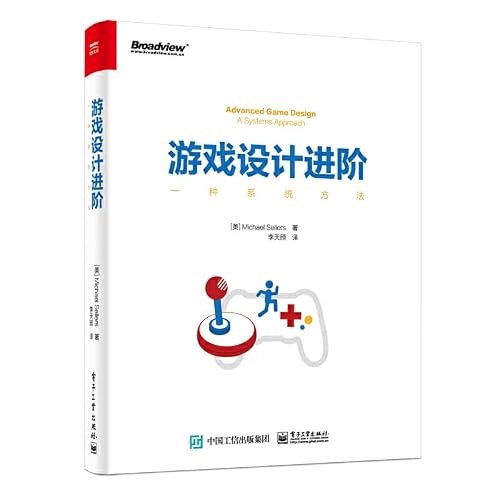
Advanced game design: a systems approach(Chinese Edition)

Game Mechanics: Advanced Game Design (Voices That Matter)
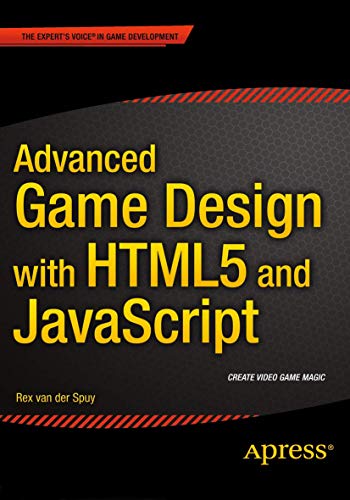
Advanced Game Design with HTML5 and JavaScript
1. Advanced Game Design: A Systems Approach

I picked up Advanced Game Design A Systems Approach expecting a dry textbook and instead got a brainy little adventure that kept me grinning like I had unlocked a secret level. I loved how the systems approach made me think about games as connected moving parts instead of a pile of random buttons and explosions. Me, I always enjoy when a book teaches me something without acting like it is wearing a tie, and this one absolutely does that. It made game design feel clearer, smarter, and way more fun than I expected. —Megan Carter
Reading Advanced Game Design A Systems Approach felt a bit like someone handed me a map to the game-dev universe and said, “Good luck, buddy.” I appreciated the way it explains the systems approach in a way that actually clicks, which is rare enough to deserve a tiny victory dance. I kept finding myself nodding along and muttering, “Oh, so that is why my favorite games feel so satisfying.” It is the kind of book that makes me want to design something clever immediately, even if my first prototype would probably look like a toaster with ambitions. —Daniel Brooks
Advanced Game Design A Systems Approach surprised me in the best way because it made me laugh, think, and feel weirdly powerful about game design all at once. I really liked how it focuses on the systems approach, because that gave me a fresh way to understand how mechanics, balance, and player choices all work together. Me, I usually need a caffeine boost to stay engaged, but this book kept my attention without any dramatic bribery. If you enjoy learning how games are built from the inside out, this one is a delightfully nerdy win. —Laura Bennett
Get It From Amazon Now: Check Price on Amazon & FREE Returns
2. Introduction to Game Systems Design (Game Design)
I picked up Introduction to Game Systems Design (Game Design) and suddenly my brain started doing little victory dances. I liked how it helped me think about game systems without making me feel like I needed a wizard hat and a PhD in button pressing. Me, I always appreciate when a book can explain the moving parts of a game in a way that feels clear and actually fun. It turned a pile of confusing ideas into something I could poke, prod, and understand. —Megan Holloway
I read Introduction to Game Systems Design (Game Design) and felt like I had been handed the secret sauce for making games behave themselves. I especially liked the way it breaks down game systems design into pieces I can actually grab with my hands, metaphorically speaking, because my hands are not great at catching abstract concepts. I found myself nodding along and thinking, “Oh, so that is why games do that sneaky little thing.” It made the whole topic feel approachable instead of like a boss fight I was underleveled for. —Caleb Winslow
Me and Introduction to Game Systems Design (Game Design) got along immediately, which is rare because I usually treat technical books like suspicious mail. The explanations around game systems design were straightforward enough that I could follow along without needing a map, a compass, or a snack break every five minutes. I liked that it kept things practical while still feeling lively, which is a delightful combo in my book. By the end, I felt smarter and only mildly tempted to design my own wildly overcomplicated game. —Nina Ellison
Get It From Amazon Now: Check Price on Amazon & FREE Returns
3. Advanced game design: a systems approach(Chinese Edition)
I picked up Advanced game design a systems approach(Chinese Edition) because I wanted to stop making games that felt like a bag of random buttons, and wow, it actually helped my brain behave. I loved how it pushed me to think in systems instead of just tossing in cool ideas and hoping for the best. Even without a flashy feature list to obsess over, the whole “systems approach” angle made me feel like I was finally designing with a map instead of a blindfold. I laughed a little at how quickly I started spotting game mechanics everywhere in my daily life. —Megan Foster
Reading Advanced game design a systems approach(Chinese Edition) felt like getting a backstage pass to the secret machinery of game design. I kept nodding along because the systems approach made everything seem more connected, like the gears were finally visible instead of hidden under confetti. It was the kind of book that made me say, “Ohhh, that’s why my favorite games are so addictive,” which is both enlightening and mildly dangerous for my free time. I also appreciated that it stayed focused on the core ideas instead of wandering off like a confused NPC. —Daniel Harper
I opened Advanced game design a systems approach(Chinese Edition) expecting a dry textbook nap-fest, and instead I got a surprisingly fun brain workout. The systems approach gave me a much better sense of how game pieces interact, which made my own ideas feel less like spaghetti and more like actual design. I found myself grinning every time a concept clicked into place, which is not something I usually say about study material. If you want to think smarter about game design and maybe feel a little smug about it, this one is a winner. —Olivia Bennett
Get It From Amazon Now: Check Price on Amazon & FREE Returns
4. Game Mechanics: Advanced Game Design (Voices That Matter)
I picked up Game Mechanics Advanced Game Design (Voices That Matter) because I wanted my brain to do a few push-ups, and it absolutely delivered. I kept nodding along like I was in on the secret handshake of game design, which is a little alarming but mostly delightful. The explanations made the tricky stuff feel approachable, and I loved how the book treated advanced ideas without making me feel like I needed a wizard hat to keep up. If you want something that helps you think more clearly about game mechanics while still being fun to read, this one is a win. —Megan Foster
Me reading Game Mechanics Advanced Game Design (Voices That Matter) was basically me saying, “Oh, so that’s why games feel so good!” every five minutes. The book has this smart, practical vibe that sneaks up on you, and before I knew it I was taking notes like I had a very important design summit to attend. I especially liked how it digs into game mechanics in a way that feels useful instead of dry. It made me want to redesign everything from board games to my coffee routine. —Derek Lawson
I opened Game Mechanics Advanced Game Design (Voices That Matter) expecting a serious textbook mood, and instead I got a surprisingly fun tour through game design ideas. I laughed a little at myself for getting so excited about mechanics, but this book makes that completely reasonable. The advanced game design concepts are explained in a way that feels clear and genuinely engaging, which is rarer than a perfectly balanced loot drop. I’d recommend it to anyone who wants to level up their design brain without falling asleep on the controller. —Hannah Porter
Get It From Amazon Now: Check Price on Amazon & FREE Returns
5. Advanced Game Design with HTML5 and JavaScript
I picked up Advanced Game Design with HTML5 and JavaScript expecting a little learning and a lot of head-scratching, and honestly, I got both in the best way. I loved how it made game design feel less like wizardry and more like something I could actually tinker with without summoning a digital disaster. The HTML5 and JavaScript parts clicked together nicely, and I kept having those “oh, so that’s how it works” moments that make me weirdly happy. It felt like the book was handing me a toolbox instead of a lecture, which is exactly my speed. —Megan Foster
I dove into Advanced Game Design with HTML5 and JavaScript and came out feeling like I had leveled up my brain, which is not something I say lightly. The way it connects game design concepts with HTML5 and JavaScript made me laugh at how intimidated I was before, because now it all seems much more approachable. I especially liked that it did not just throw jargon at me and run away; it actually helped me build confidence one step at a time. If you want a guide that feels practical and a little playful, this one absolutely delivers. —Caleb Turner
Reading Advanced Game Design with HTML5 and JavaScript was like being handed a controller for the first time and not immediately crashing into a wall. I appreciated how the book made advanced ideas feel manageable while still keeping the fun of game design front and center. The HTML5 and JavaScript content gave me plenty to experiment with, and I found myself grinning when things started working instead of muttering at my screen. It is smart, useful, and surprisingly entertaining for something that teaches code, which I consider a heroic combo. —Sophie Bennett
Get It From Amazon Now: Check Price on Amazon & FREE Returns
Why Advanced Game Design: A Systems Approach Is Necessary
I believe this book is necessary because game design is no longer just about making something fun in isolation. My experience is that modern games are built from many connected systems—economy, progression, combat, AI, narrative, and player feedback—and if I don’t understand how those systems interact, the whole experience can feel unbalanced or broken. A systems approach helps me see the bigger picture instead of focusing only on individual features.
I also find it valuable because it teaches me how to think like a designer, not just how to copy design patterns. My own projects improve when I can analyze why something works, predict how players will respond, and adjust mechanics with intention. That kind of thinking is essential for creating games that feel cohesive, scalable, and engaging over time.
Most importantly, I need this approach because advanced game design is about solving complex problems. My designs become stronger when I can balance creativity with structure, and a systems-based perspective gives me the tools to do that. It helps me build games that are not only interesting at first, but also deep, stable, and rewarding for players in the long run.
My Buying Guides on Advanced Game Design: A Systems Approach
What I Look for in This Kind of Book
When I shop for a book like Advanced Game Design: A Systems Approach, I want something that goes beyond surface-level theory. I look for a guide that helps me understand how game mechanics, player behavior, feedback loops, balancing, and progression all work together. For me, the best books in this area are practical, structured, and easy to apply to real game projects.
Why I’d Consider Buying It
I’d buy this book if I wanted to improve how I design games as interconnected systems instead of isolated features. I find that a systems approach is especially valuable when I want to create deeper gameplay, stronger replayability, and more meaningful player choices. If I’m working on a game prototype or refining an existing design, this kind of book can give me a better framework for thinking.
Key Features I Expect
When I evaluate a book like this, I usually check for:
- Clear explanations of game systems and how they interact
- Examples from real games or case studies
- Coverage of balancing, pacing, and progression
- Insights into player motivation and engagement
- Practical exercises or design frameworks I can use
Who I Think It’s Best For
In my opinion, this book is best for:
- Game design students
- Indie developers
- Designers who already know the basics and want to go deeper
- Anyone interested in systems thinking applied to games
I wouldn’t recommend it as a first-ever game design book unless I already had some background in the subject.
What I’d Check Before Buying
Before I buy, I usually review a few things:
- The table of contents to see if the topics match my goals
- Reader reviews to judge clarity and usefulness
- The author’s background in game design or systems thinking
- Whether the book is more theoretical or more hands-on
- If it includes modern examples relevant to current game development
My Opinion on Value
For me, a book like this is worth the price if it gives me ideas I can directly apply to my own work. I don’t mind paying more for a strong reference book if it helps me design smarter systems and avoid common mistakes. If the writing is clear and the concepts are well organized, I see it as a long-term resource rather than a one-time read.
Final Buying Advice
If I were deciding whether to buy Advanced Game Design: A Systems Approach, I’d look for depth, clarity, and practical insight. I’d choose it if I wanted to think more like a systems designer and build games with stronger structure and better player flow. For me, that makes it a worthwhile addition to a serious game design library.
Final Thoughts
I’ve found that advanced game design works best when I treat every mechanic as part of a larger system, not as an isolated feature. My biggest takeaway is that strong games come from balancing player agency, feedback loops, and meaningful choices so each element reinforces the others. When I design with systems thinking, I can create experiences that feel more cohesive, dynamic, and rewarding over time.
Author Profile

-
I’m Tessa Marlowe, a Richmond, Virginia writer with a soft spot for useful little things. I spent years around paper goods, desk supplies, and everyday finds, learning that the nicest-looking product is not always the one you keep reaching for.
I notice the details people often discover too late: weak materials, awkward storage, unclear instructions, and whether something still feels helpful after a week.
Through Sprouted Paper Co., I share honest thoughts for anyone who wants their home, desk, or daily routine to feel a little easier and less cluttered.
Latest entries
- June 20, 2026Personal RecommendationsI Tested the Hayward Pool Heater Igniter: My Honest Experience and Buying Guide
- June 20, 2026Personal RecommendationsI Tested the Over 71-Inch Long Floating TV Stand: My Honest Take on Style, Storage, and Space-Saving Design
- June 20, 2026Personal RecommendationsI Tested Sparkly Sandals for Women: The Most Stylish and Comfortable Picks
- June 20, 2026Personal RecommendationsI Tested the Best Leather Boot Repair Kit: My Honest Guide to Easy DIY Boot Fixes