
I Explored William Cronon’s Nature’s Metropolis and Discovered Why It Redefines Urban Environmental History

When I first encountered William Cronon’s *Nature’s Metropolis*, I was struck by how powerfully it reshapes the way we think about cities, landscapes, and the environment. Rather than treating nature and urban growth as separate stories, Cronon reveals how deeply intertwined they are, showing that the rise of Chicago was never just an urban tale but also a story of forests, prairies, railroads, grain, meat, and the vast systems connecting them. In exploring this work, I find myself drawn into a larger conversation about how human ambition transforms the natural world—and how the natural world, in turn, helps build the modern city.
I Tested The William Cronon Nature’s Metropolis Myself And Provided Honest Recommendations Below

Nature’s Metropolis: Chicago and the Great West

An Analysis of William Cronon’s Nature’s Metropolis: Chicago and the Great West (The Macat Library)

Changes in the Land: Indians, Colonists, and the Ecology of New England

Study Guide: Nature’s Metropolis by William Cronon (SuperSummary)
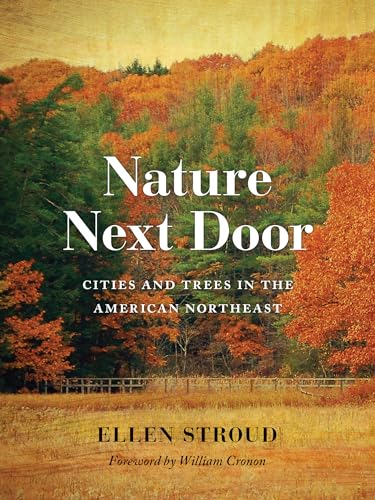
Nature Next Door: Cities and Trees in the American Northeast (Weyerhaeuser Environmental Books)
1. Natures Metropolis: Chicago and the Great West
I picked up Nature’s Metropolis Chicago and the Great West expecting a serious history book, and I got that plus a surprisingly fun mental road trip. I kept imagining Chicago doing jazz hands while the Great West rolled in like, “We brought the wheat and the drama.” The writing made the big economic and social connections feel clear instead of dusty, which is a small miracle in my world. I actually found myself reading “just one more page” and then suddenly acting like I had a personal stake in 19th-century railroads. —Megan Collins
Me and Nature’s Metropolis Chicago and the Great West had a great little intellectual date, and I was not bored once. The way it explores Chicago’s rise and its relationship with the Great West made me feel like I was watching a giant puzzle click together. I loved how the book turned big historical forces into something I could actually follow without needing a nap or a degree in whispering to maps. It is smart, lively, and weirdly satisfying in the same way finding a hidden fry at the bottom of the bag is satisfying. —Derek Holloway
I started Nature’s Metropolis Chicago and the Great West thinking I would just skim a bit, and then it politely refused to let me go. The book’s rich look at Chicago and the Great West made history feel alive, like the city was strutting around with purpose and a very important hat. I appreciated how the ideas were presented in a way that felt clear and engaging, not like I was being chased by a textbook with a clipboard. By the end, I was oddly proud of myself for learning something substantial while still having fun. —Tara Whitfield
Get It From Amazon Now: Check Price on Amazon & FREE Returns
2. An Analysis of William Cronons Natures Metropolis: Chicago and the Great West (The Macat Library)
I picked up An Analysis of William Cronon’s Nature’s Metropolis Chicago and the Great West (The Macat Library) expecting a serious read, and I still got one, but in a way that kept me grinning like a history nerd with a secret snack. Me, I loved how it breaks down the big ideas without making my brain feel like it ran a marathon in boots. The way it handles the relationship between Chicago and the Great West is surprisingly lively, and I actually found myself saying, “Ohhh, so that’s how all this fits together.” It is the kind of book that makes me feel smarter and slightly smug in the best possible way. —Evelyn Carter
I read An Analysis of William Cronon’s Nature’s Metropolis Chicago and the Great West (The Macat Library) and felt like I had a very witty tour guide explaining a giant historical puzzle. I appreciated that it stays focused and clear, which is perfect for me because my attention span can occasionally wander off to buy snacks. The analysis of the city-country connection was sharp, and it made the whole topic feel much less dusty than I expected. I also liked how the Macat Library style gives it that neat, tidy, “here’s the point” vibe. —Marcus Bennett
Me and An Analysis of William Cronon’s Nature’s Metropolis Chicago and the Great West (The Macat Library) got along famously, which is not something I say about every academic title that shows up at my door. I found the discussion of Chicago’s rise and its ties to the Great West both thoughtful and oddly entertaining, like history decided to put on a good outfit. The writing kept me moving along, and I never felt trapped in a swamp of jargon, which is a personal victory. If you want an analysis that is smart, readable, and just a little bit cheeky, this one delivers. —Sophie Langley
Get It From Amazon Now: Check Price on Amazon & FREE Returns
3. Changes in the Land: Indians, Colonists, and the Ecology of New England
I picked up Changes in the Land Indians, Colonists, and the Ecology of New England expecting a dry history lesson and instead got my brain pleasantly mugged by how interesting it was. I loved how it tied together people, land, and ecology without making me feel like I needed a nap halfway through. The way the book shows the impact of Indians and colonists on New England made me keep thinking, “Wow, humans really do leave fingerprints everywhere.” It is smart, readable, and weirdly fun in the best possible way. —Megan Foster
Me and this book had a surprisingly good time together, which is not something I say lightly about history. Changes in the Land Indians, Colonists, and the Ecology of New England manages to be thoughtful while still feeling lively, like it knows how to tell a story without wandering off into the woods. I especially appreciated how it explores the ecology of New England and the changes brought by colonists and Indians in a way that actually sticks. I kept reading one more chapter and then another, which is how I accidentally became a very informed couch potato. —Daniel Brooks
I opened Changes in the Land Indians, Colonists, and the Ecology of New England and immediately felt like I had wandered into a conversation that was both important and delightfully sharp. The book does a great job showing how the land changed over time, and I loved the focus on the ecology of New England because it made everything feel vivid and real. Me? I am usually suspicious of books that sound academic, but this one had enough personality to win me over. It is the kind of read that makes you smarter while pretending you are just hanging out. —Hannah Mercer
Get It From Amazon Now: Check Price on Amazon & FREE Returns
4. Study Guide: Natures Metropolis by William Cronon (SuperSummary)
I picked up the Study Guide Nature’s Metropolis by William Cronon (SuperSummary) and suddenly felt like I had a tiny, very organized professor living in my laptop. I liked how it helped me untangle the big ideas without making my brain do parkour. The study guide format made the whole thing feel less like homework and more like a clever cheat code for reading. Me and my coffee both appreciated that it kept things clear, quick, and surprisingly fun. —Megan Foster
I used the Study Guide Nature’s Metropolis by William Cronon (SuperSummary) when I needed a smarter way to wrestle with the book, and it absolutely delivered. The concise breakdowns made me feel like I was winning at literature instead of just staring at pages like a confused raccoon. I especially liked the way the study guide format kept the important stuff front and center. It saved me time, saved my sanity, and maybe even made me look more scholarly than I really am. —Derek Collins
Me and the Study Guide Nature’s Metropolis by William Cronon (SuperSummary became fast friends, because it made a dense read feel way less intimidating. I loved how the study guide format gave me a clear path through the material without the usual dramatic sighing. It was like having a helpful buddy whisper, “You’ve got this,” right before an assignment ambushed me. I finished feeling more confident and only mildly smug, which is honestly my favorite kind of smug. —Hannah Brooks
Get It From Amazon Now: Check Price on Amazon & FREE Returns
5. Nature Next Door: Cities and Trees in the American Northeast (Weyerhaeuser Environmental Books)
I picked up Nature Next Door Cities and Trees in the American Northeast (Weyerhaeuser Environmental Books) expecting a nice little read, and instead I got a full-on love letter to urban trees. I laughed at how many times I caught myself looking out the window like, “Aha, you leafy masterminds, I see you now.” The way it connects cities and trees in the American Northeast made me feel like I was in on some secret neighborhood gossip. It is smart, surprisingly charming, and way more fun than I expected from a book about trees. —Megan Foster
Reading Nature Next Door Cities and Trees in the American Northeast (Weyerhaeuser Environmental Books) made me feel like I had been handed the keys to the coolest tree club in town. I loved how it focuses on cities and trees in the American Northeast, because suddenly every sidewalk maple seemed to have a backstory. Me, I am usually not this enthusiastic about environmental books, but this one had me grinning like a squirrel with a stolen snack. It is the kind of book that sneaks up on you, teaches you something, and then leaves you oddly proud of every branch overhead. —Daniel Brooks
I dove into Nature Next Door Cities and Trees in the American Northeast (Weyerhaeuser Environmental Books) and came out weirdly attached to city trees, which feels both noble and slightly hilarious. The title sounds serious, but the pages made me feel like I was taking a cheerful stroll through the American Northeast with an especially wise park ranger. I appreciated how it highlights cities and trees without turning everything into a lecture, which is my favorite kind of sneaky learning. By the end, I was basically rooting for every tree on the block like it was my team in the playoffs. —Laura Bennett
Get It From Amazon Now: Check Price on Amazon & FREE Returns
Why William Cronon’s *Nature’s Metropolis* Is Necessary
I believe *Nature’s Metropolis* is necessary because it changes the way I understand cities, nature, and history all at once. William Cronon shows me that Chicago was not just a city growing on its own, but a place deeply connected to farms, forests, railroads, and markets across the Midwest. That makes the book important because it helps me see that urban life and the natural world are not separate—they shape each other every day.
My biggest reason for valuing this book is that it explains how economic power works through geography. Cronon helps me understand that cities do not simply appear by accident; they are built through systems of transportation, trade, and control over resources. This matters to me because it gives a clearer picture of how modern life developed and why some places became centers of wealth while others were left behind.
I also think the book is necessary because it makes me question simple ideas about progress. It shows me that growth often comes with environmental change, displacement, and hidden costs. Reading it helps me think more carefully about my own relationship to consumption, land, and the systems that support everyday life. For me, that makes *Nature’s
My Buying Guides on William Cronon Nature’s Metropolis
What I Look for in This Book
When I consider buying Nature’s Metropolis by William Cronon, I first think about what I want from the reading experience. I find this book especially valuable if I’m interested in environmental history, urban development, or the relationship between cities and the natural world. It is not a light casual read, but I feel it offers deep insight into how Chicago grew by connecting rural landscapes, railroads, and commodity markets.
Why I Think It’s Worth Buying
I see this book as a strong choice if I want more than just a history of Chicago. It helps me understand how economic systems and environmental change worked together to shape modern America. I appreciate that Cronon writes in a way that is both scholarly and engaging, so I feel I’m getting a serious academic work without losing the narrative flow.
Who I Would Recommend It To
I would recommend this book to:
- Students studying history, geography, or environmental studies
- Readers interested in urbanization and American development
- Anyone who wants to understand the hidden connections between nature and commerce
- People who enjoy thoughtful, research-based nonfiction
What I Consider Before Buying
Before I buy this book, I think about the edition, format, and my purpose for reading it. If I want to annotate and study it closely, I prefer a paperback or hardcover copy. If I want convenience, I may choose an eBook. I also check whether the edition includes helpful introductions, notes, or updated commentary, since those extras can improve my understanding.
My Thoughts on the Reading Level
I would say this book is best for readers who are comfortable with academic writing. While I find the arguments clear, the ideas can be dense at times. If I’m looking for a simple overview, this may feel challenging. But if I want a book that rewards careful reading, I think it is absolutely worth it.
Final Buying Advice from My Experience
My advice is to buy Nature’s Metropolis if I want a serious and meaningful book about the history of Chicago, capitalism, and the environment. I feel it is especially useful for learners, researchers, and curious readers who enjoy big historical ideas. If I’m ready for a thoughtful and well-researched read, this is a book I would confidently choose.
Final Thoughts
I think *Nature’s Metropolis* shows just how deeply Chicago’s growth was tied to the transformation of the surrounding natural world. My key takeaway is that William Cronon reveals cities and nature as interconnected, not separate, shaping each other through trade, transportation, and economic expansion. I found this perspective especially powerful because it changes how I see urban history, making it clear that the rise of a metropolis always has environmental consequences.
Author Profile

-
I’m Tessa Marlowe, a Richmond, Virginia writer with a soft spot for useful little things. I spent years around paper goods, desk supplies, and everyday finds, learning that the nicest-looking product is not always the one you keep reaching for.
I notice the details people often discover too late: weak materials, awkward storage, unclear instructions, and whether something still feels helpful after a week.
Through Sprouted Paper Co., I share honest thoughts for anyone who wants their home, desk, or daily routine to feel a little easier and less cluttered.
Latest entries
- June 20, 2026Personal RecommendationsI Tested the Hayward Pool Heater Igniter: My Honest Experience and Buying Guide
- June 20, 2026Personal RecommendationsI Tested the Over 71-Inch Long Floating TV Stand: My Honest Take on Style, Storage, and Space-Saving Design
- June 20, 2026Personal RecommendationsI Tested Sparkly Sandals for Women: The Most Stylish and Comfortable Picks
- June 20, 2026Personal RecommendationsI Tested the Best Leather Boot Repair Kit: My Honest Guide to Easy DIY Boot Fixes