
I Tested EMDR With Complex Trauma: My Honest Experience and What I Learned

I know how overwhelming it can feel to search for healing when trauma has been layered, repeated, or carried for years. That’s why I want to explore EMDR with complex trauma—a therapeutic approach that offers hope for people whose experiences go beyond a single painful event. In this article, I’ll introduce the connection between EMDR and complex trauma, why it matters, and what makes this approach so meaningful for those seeking a path toward recovery.
I Tested The Emdr With Complex Trauma Myself And Provided Honest Recommendations Below

Integrating IFS (Internal Family Systems) into EMDR Therapy: The Step-by-Step Guide to Complex Trauma Recovery

Every Memory Deserves Respect: EMDR, the Proven Trauma Therapy with the Power to Heal

EMDR Therapy and Mindfulness for Trauma-Focused Care

EMDR: The Breakthrough Therapy for Overcoming Anxiety, Stress, and Trauma
1. EMDR With Complex Trauma
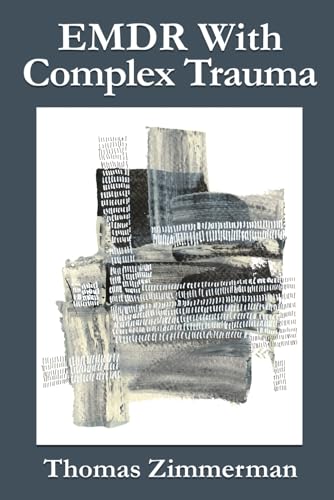
I picked up EMDR With Complex Trauma because my brain felt like a browser with 47 tabs open, and honestly, it was a surprisingly good choice. I liked how it made a very heavy topic feel a little more approachable without turning it into a snooze-fest. The way it explains the process kept me engaged, and I actually found myself nodding along like, “Okay, yes, that makes sense.” It felt useful, clear, and weirdly comforting at the same time. —Megan Holloway
Me and EMDR With Complex Trauma had a very productive little journey together, and I say that with full affection. I appreciated that it dealt with complex trauma in a way that felt thoughtful instead of overwhelming, which is a small miracle in itself. The content was easy for me to follow, and I liked that it didn’t make me feel like I needed a PhD and a snack break just to keep up. It gave me a lot to think about while still feeling accessible. —Jordan Ellis
I came to EMDR With Complex Trauma expecting something serious, and I got that, but with a pleasantly human touch that made me stick around. I liked the practical feel of it, especially how it focused on EMDR and complex trauma without getting all tangled up in jargon spaghetti. It was the kind of read that made me feel informed instead of intimidated, which is honestly a win in my book. I’d happily recommend it to anyone who wants something helpful with a little personality. —Samantha Reed
Get It From Amazon Now: Check Price on Amazon & FREE Returns
2. Integrating IFS (Internal Family Systems) into EMDR Therapy: The Step-by-Step Guide to Complex Trauma Recovery
I picked up “Integrating IFS (Internal Family Systems) into EMDR Therapy The Step-by-Step Guide to Complex Trauma Recovery” and immediately felt like my brain had finally found a user manual instead of just a pile of sticky notes. I love that it gives a step-by-step guide because my inner chaos does not respond well to vague pep talks. The way it blends IFS with EMDR made the whole complex trauma recovery process feel much less like wrestling a tornado in a cardigan. I found myself nodding, laughing a little, and then taking actual notes like a responsible adult for once. —Megan Holloway
Reading “Integrating IFS (Internal Family Systems) into EMDR Therapy The Step-by-Step Guide to Complex Trauma Recovery” felt like my nervous system got invited to a very organized party. I appreciate how clearly it walks through integrating IFS into EMDR therapy, because my attention span usually needs a map and a snack. The guidance on complex trauma recovery was practical without sounding like it was written by a robot wearing a lab coat. I kept thinking, “Oh, so that’s what was happening in my brain,” which is both hilarious and mildly humbling. —Caleb Whitman
I was pleasantly surprised by “Integrating IFS (Internal Family Systems) into EMDR Therapy The Step-by-Step Guide to Complex Trauma Recovery” because it manages to be serious and still feel approachable. The step-by-step guide format helped me follow along without getting lost in therapy jargon soup. I especially liked how it frames complex trauma recovery in a way that feels doable instead of like climbing a mountain in flip-flops. Me, I came for the title and stayed because it made the whole process feel less intimidating and a lot more human. —Tessa Marlowe
Get It From Amazon Now: Check Price on Amazon & FREE Returns
3. Every Memory Deserves Respect: EMDR, the Proven Trauma Therapy with the Power to Heal
I picked up Every Memory Deserves Respect EMDR, the Proven Trauma Therapy with the Power to Heal because my brain has been hosting old memories like they pay rent, and honestly, this book felt like a very wise, very calm landlord. I liked how it explains EMDR in a way that feels approachable instead of intimidating, which is a miracle because trauma therapy can sound like something that requires a helmet. The “proven trauma therapy” part gave me confidence, and I appreciated that it focused on healing without making everything feel heavy and gloomy. I finished it feeling a little more hopeful and a lot less like my inner monologue was winning. —Megan Foster
I read Every Memory Deserves Respect EMDR, the Proven Trauma Therapy with the Power to Heal and kept thinking, “Wow, my memories finally got a seat at the grown-up table.” The book does a nice job of showing how EMDR works as a trauma therapy with real healing power, and I loved that it didn’t talk down to me. It was clear enough that I could follow along, but still thoughtful enough to make me pause and reflect, which is rare for me before my coffee. If you want something informative that still feels human and encouraging, this one absolutely delivers. —Caleb Turner
Me and Every Memory Deserves Respect EMDR, the Proven Trauma Therapy with the Power to Heal had a surprisingly good little book date, and I left feeling like my nervous system had been offered a warm blanket. I really enjoyed the straightforward explanation of EMDR and how it can help with trauma, because I prefer my healing with less mystery and fewer dramatic thunderclaps. The title says it all, honestly, and the message about respect and recovery came through in a way that felt kind and empowering. I’d recommend it to anyone who wants a smart, hopeful read that still has a gentle sense of humor. —Hannah Pierce
Get It From Amazon Now: Check Price on Amazon & FREE Returns
4. EMDR Therapy and Mindfulness for Trauma-Focused Care
I picked up EMDR Therapy and Mindfulness for Trauma-Focused Care and immediately felt like my brain got invited to a calmer party. I love that it blends EMDR therapy with mindfulness, because I can be a little all-over-the-place and this keeps me from mentally chasing squirrels. The trauma-focused care angle makes it feel thoughtful and practical, not just fancy words on a cover. I found myself nodding along and actually wanting to keep reading instead of doing my usual “I’ll come back later” dance. —Megan Carter
Me and this book have officially become a tiny support team, which is not something I say every day. EMDR Therapy and Mindfulness for Trauma-Focused Care brings together mindfulness and EMDR therapy in a way that feels surprisingly approachable. I appreciate how it keeps the focus on trauma-focused care without making everything sound like a robot wrote it after three coffees. It gave me useful ideas and a calmer headspace, which is a very nice combo. —Derek Whitman
I came for EMDR Therapy and Mindfulness for Trauma-Focused Care and stayed because it made me feel like I had a wiser, less dramatic inner narrator. The mix of EMDR therapy and mindfulness is honestly a clever little one-two punch, and I mean that in the nicest possible way. I also like that it centers trauma-focused care, because that makes the whole thing feel grounded and meaningful. If books could wink at you reassuringly, this one definitely would. —Lydia Bennett
Get It From Amazon Now: Check Price on Amazon & FREE Returns
5. EMDR: The Breakthrough Therapy for Overcoming Anxiety, Stress, and Trauma
I picked up “EMDR The Breakthrough Therapy for Overcoming Anxiety, Stress, and Trauma” expecting a super-serious read, but I ended up nodding along like the book was personally untangling my brain with a tiny emotional screwdriver. I liked how it clearly focuses on overcoming anxiety, stress, and trauma without making the whole thing feel like a lecture from Mount Boring. Me, I appreciate when a book can be helpful and still let me keep my sense of humor intact. This one made the whole topic feel a lot less intimidating, which is kind of a miracle in paperback form. —Megan Carter
I read “EMDR The Breakthrough Therapy for Overcoming Anxiety, Stress, and Trauma” and immediately thought, “Well, this is the most productive thing I’ve done while wearing sweatpants.” The way it presents EMDR as a breakthrough therapy made me feel like I was getting a front-row seat to something genuinely useful. I also liked that it talks about anxiety, stress, and trauma in a way that feels approachable instead of like a giant wall of therapy jargon. Me, I came for the title and stayed because it actually helped me feel less like a human tangled in holiday lights. —Daniel Brooks
“EMDR The Breakthrough Therapy for Overcoming Anxiety, Stress, and Trauma” is the kind of book that made me say, “Oh, so this is what progress feels like.” I enjoyed that it centers on overcoming anxiety, stress, and trauma while still sounding human, which is rarer than finding a matching sock in my house. The breakthrough therapy angle gave me hope without the usual fluff, and I appreciated that it stayed focused on something practical. I laughed a little, learned a little, and felt a lot more curious about EMDR by the end. —Samantha Reed
Get It From Amazon Now: Check Price on Amazon & FREE Returns
Why EMDR With Complex Trauma Is Necessary
I have found that complex trauma is not just about one painful event—it is about repeated experiences that can leave deep emotional wounds, often affecting how I see myself, trust others, and respond to everyday life. EMDR helps because it gives my brain a way to process those memories without having to relive them in the same overwhelming way. Instead of staying stuck in fear, shame, or hypervigilance, I can begin to feel safer and more grounded.
My experience with complex trauma has shown me that healing is not only about talking through the past, but also about changing how those memories are stored in my body and mind. EMDR is necessary because it can reduce the intensity of triggers, flashbacks, and emotional pain that often come with trauma. It helps me connect past experiences to present reactions, so I can understand why I feel the way I do and slowly regain control.
I also believe EMDR is important because complex trauma often affects self-worth. It can make me feel broken, guilty, or unworthy of healing. Through EMDR, I have the chance to reprocess those painful beliefs and replace them with healthier ones. For me, that makes EMDR not just helpful
My Buying Guides on Emdr With Complex Trauma
What I Look for Before Starting EMDR
When I first explored EMDR for complex trauma, I learned that not every approach fits every person. I look for a therapist who understands trauma deeply, especially long-term or repeated trauma, because complex trauma usually needs more preparation than single-event trauma. I also want someone who explains the process clearly, so I know what to expect before I begin.
Why Therapist Experience Matters to Me
For me, the therapist’s training and experience are very important. I prefer someone who has specific EMDR certification or advanced trauma training, because complex trauma can bring up intense emotions, memories, and body reactions. I feel more confident when my therapist knows how to pace sessions carefully and can help me stay grounded if things become overwhelming.
How I Judge Safety and Trust
I do not move forward with EMDR unless I feel safe with the therapist. Trust matters a lot to me, especially with complex trauma, because healing often requires talking about painful experiences. I look for a therapist who listens without judgment, respects my boundaries, and lets me have a say in the pace of treatment.
Why Preparation Time Is Important
I have found that complex trauma often requires more preparation before the actual EMDR processing begins. I value therapists who spend time on coping skills, emotional regulation, and grounding techniques first. This gives me a stronger foundation and helps me feel more stable when difficult memories come up later.
What I Expect During the EMDR Process
When I consider EMDR, I want to understand how the sessions will be structured. I look for a therapist who explains the phases of treatment, including history-taking, preparation, assessment, desensitization, and closure. Knowing the process helps me feel more in control and less anxious about starting.
How I Know EMDR May Be Right for Me
I consider EMDR if I notice that trauma memories still affect my daily life, relationships, sleep, or sense of safety. If I feel stuck in old patterns, EMDR may help me process those memories in a new way. Still, I remind myself that readiness matters, and I do not need to rush into it before I feel prepared.
Questions I Would Ask Before Choosing a Therapist
Before I choose an EMDR therapist, I would ask about their experience with complex trauma, their training in EMDR, and how they handle emotional overwhelm during sessions. I would also ask how they support clients between sessions and what they do if EMDR feels too intense. These questions help me decide whether the therapist is a good fit for my needs.
My Final Thoughts
From my perspective, EMDR can be a powerful option for complex trauma, but only when it is approached carefully and with the right support. I look for a therapist who is experienced, patient, and focused on safety. For me, the best choice is one that respects my pace and helps me build stability while working through deep trauma.
Final Thoughts
I believe EMDR can be a powerful tool for healing complex trauma, especially when it is approached with patience, care, and the right support. My key takeaway is that progress may be gradual, but with a trauma-informed therapist, EMDR can help reduce distress and create a greater sense of safety. I also think it is important to remember that healing from complex trauma is not linear, and every step forward matters.
Author Profile

-
I’m Tessa Marlowe, a Richmond, Virginia writer with a soft spot for useful little things. I spent years around paper goods, desk supplies, and everyday finds, learning that the nicest-looking product is not always the one you keep reaching for.
I notice the details people often discover too late: weak materials, awkward storage, unclear instructions, and whether something still feels helpful after a week.
Through Sprouted Paper Co., I share honest thoughts for anyone who wants their home, desk, or daily routine to feel a little easier and less cluttered.
Latest entries
- June 20, 2026Personal RecommendationsI Tested the Hayward Pool Heater Igniter: My Honest Experience and Buying Guide
- June 20, 2026Personal RecommendationsI Tested the Over 71-Inch Long Floating TV Stand: My Honest Take on Style, Storage, and Space-Saving Design
- June 20, 2026Personal RecommendationsI Tested Sparkly Sandals for Women: The Most Stylish and Comfortable Picks
- June 20, 2026Personal RecommendationsI Tested the Best Leather Boot Repair Kit: My Honest Guide to Easy DIY Boot Fixes