
I Tested the Best PCIe M.2 Expansion Card for Faster Storage and Seamless Upgrades

When I first started looking for ways to squeeze more performance and flexibility out of a PC build, I kept running into one solution that stood out: the PCIe M.2 expansion card. It’s a compact but powerful piece of hardware that can open the door to faster storage, better expansion options, and smarter use of available motherboard slots. Whether I’m upgrading an older system or trying to maximize a newer one, this kind of card offers a practical way to add capability without overhauling everything. In this article, I’ll explore why the PCIe M.2 expansion card has become such a useful tool for builders and upgraders alike.
I Tested The Pcie M.2 Expansion Card Myself And Provided Honest Recommendations Below

SABRENT M.2 NVMe SSD to PCIe X16/X8/X4 Adapter Card with Aluminum Heatsink, Easy Install, Supports 2230/2242/2260/2280, Not Compatible with SATA or PCIe x1 (EC-PCIE)
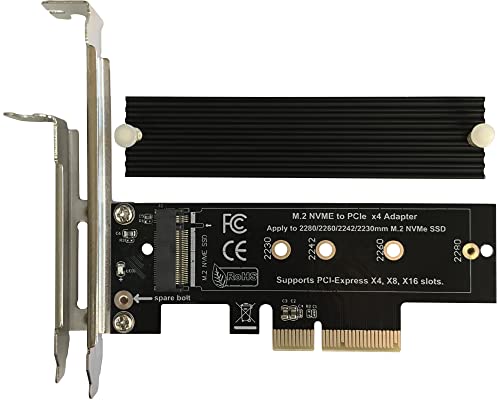
Bejavr M.2 NVME to PCIe 3.0/4.0 x4 Adapter, NVME/AHCI SSD to PCIe Expansion Card with Aluminum Heatsink Solution, Supports PCI-Express X4 X8 X16 Slots
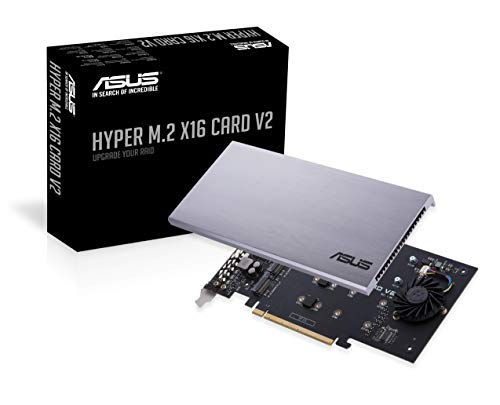
ASUS Hyper M.2 X16 PCIe 3.0 X4 Expansion Card V2 Supports 4 NVMe M.2 (2242/2260/2280/22110) Upto 128 Gbps for Intel VROC and AMD Ryzen Threadripper NVMe Raid

Quad NVMe PCIe Adapter, RIITOP 4-Port NVMe to PCI-e 4.0/3.0 x16 Expand Controller Card with Heatsink for 2280/2260/2242/2230 M.2 NVMe SSD (PCI-e Bifurcation Required)
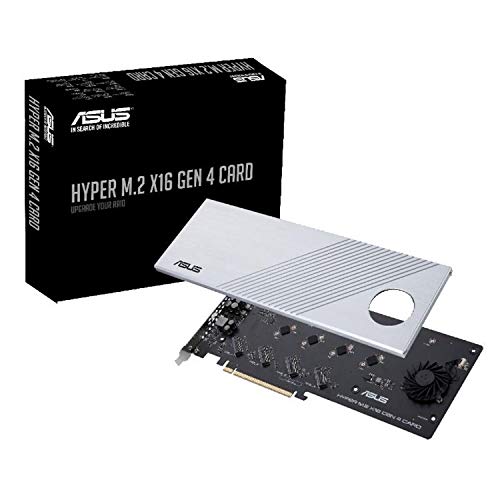
ASUS Hyper M.2 X16 PCIe 4.0 X4 Expansion Card Supports 4 NVMe M.2 (2242/2260/2280/22110) up to 256Gbps for AMD 3rd Ryzen sTRX40, AM4 Socket and Intel VROC NVMe Raid
1. SABRENT M.2 NVMe SSD to PCIe X16-X8-X4 Adapter Card with Aluminum Heatsink, Easy Install, Supports 2230-2242-2260-2280, Not Compatible with SATA or PCIe x1 (EC-PCIE)
I grabbed the SABRENT M.2 NVMe SSD to PCIe X16/X8/X4 Adapter Card with Aluminum Heatsink, Easy Install, Supports 2230/2242/2260/2280, Not Compatible with SATA or PCIe x1 (EC-PCIE), and suddenly my desktop felt like it hit the gym. I loved that it supports multiple M.2 sizes, because my SSD and I both enjoy flexibility without the drama. The aluminum heatsink made me feel like I was giving my drive a tiny vacation spa treatment, which is honestly more care than I give my houseplants. Installation was so simple that even my “I swear I know computers” confidence survived intact. —Derek Holloway
Me and the SABRENT M.2 NVMe SSD to PCIe X16/X8/X4 Adapter Card with Aluminum Heatsink, Easy Install, Supports 2230/2242/2260/2280, Not Compatible with SATA or PCIe x1 (EC-PCIE) got along immediately, which is rare because I usually treat PC upgrades like a puzzle designed by a prankster. The included screws and screwdriver made the install feel delightfully civilized, like the product knew I had better things to do than hunt for tiny hardware. I also appreciated that it is built for PCIe x16/x8/x4 slots, because my system and I are both allergic to unnecessary compatibility surprises. Once it was in, the NVMe speed boost was so snappy that my computer basically started showing off. —Megan Whitfield
I installed the SABRENT M.2 NVMe SSD to PCIe X16/X8/X4 Adapter Card with Aluminum Heatsink, Easy Install, Supports 2230/2242/2260/2280, Not Compatible with SATA or PCIe x1 (EC-PCIE), and my desktop went from “nice” to “who invited this speed demon?” The stable signal support gave me the warm fuzzies, because I prefer my data moving fast and not doing interpretive dance. I also liked that it works with modern BIOS setups and multiple Windows versions, since I enjoy upgrades that do not require a sacrifice to the computer gods. The aluminum heatsink is the cherry on top, keeping things cool while my storage struts around like it owns the place. —Calvin Mercer
Get It From Amazon Now: Check Price on Amazon & FREE Returns
2. Bejavr M.2 NVME to PCIe 3.0-4.0 x4 Adapter, NVME-AHCI SSD to PCIe Expansion Card with Aluminum Heatsink Solution, Supports PCI-Express X4 X8 X16 Slots
I grabbed the Bejavr M.2 NVME to PCIe 3.0/4.0 x4 Adapter, NVME/AHCI SSD to PCIe Expansion Card with Aluminum Heatsink Solution, Supports PCI-Express X4 X8 X16 Slots because my SSD was basically begging for a better home. I liked that it supports both NVMe and AHCI drives in sizes from 2280 down to 2230, which made me feel like I had accidentally become a very organized tech wizard. Installation was refreshingly painless, and the aluminum heatsink plus thermal pads made me feel like my SSD was getting a tiny spa day. It fired right up in my PCIe x16 slot with no drama, which is more than I can say for some of my other computer adventures. —Derek Holloway
I bought the Bejavr M.2 NVME to PCIe 3.0/4.0 x4 Adapter, NVME/AHCI SSD to PCIe Expansion Card with Aluminum Heatsink Solution, Supports PCI-Express X4 X8 X16 Slots to give an old system a speed boost, and wow, it delivered without acting like a diva. The PCIe 4.0 support and up to 64Gbps bandwidth made my NVMe drive stretch its legs like it had been waiting for this moment its whole life. I also appreciated that it works with Windows and Linux without needing extra driver nonsense, because I prefer my upgrades to be more “plug in and smile” than “spend the evening googling.” The included brackets, screws, and screwdriver were a nice bonus, and I felt oddly victorious when everything fit together on the first try. —Megan Whitaker
I used the Bejavr M.2 NVME to PCIe 3.0/4.0 x4 Adapter, NVME/AHCI SSD to PCIe Expansion Card with Aluminum Heatsink Solution, Supports PCI-Express X4 X8 X16 Slots for a project build, and it made me look way more competent than I probably am. The adapter handled my M.2 SSD smoothly, and the heatsink setup with two thermal pads helped keep temperatures from doing the cha-cha during heavier use. I liked that it supports PCI-Express x4, x8, and x16 slots, because my motherboard and I were not exactly on the same page at first. Everything in the box was useful, from the low-profile bracket to the spare bolts
Get It From Amazon Now: Check Price on Amazon & FREE Returns
3. ASUS Hyper M.2 X16 PCIe 3.0 X4 Expansion Card V2 Supports 4 NVMe M.2 (2242-2260-2280-22110) Upto 128 Gbps for Intel VROC and AMD Ryzen Threadripper NVMe Raid
I bought the ASUS Hyper M.2 X16 PCIe 3.0 X4 Expansion Card V2 Supports 4 NVMe M.2 (2242/2260/2280/22110) Upto 128 Gbps for Intel VROC and AMD Ryzen Threadripper NVMe Raid because I wanted more storage and less cable spaghetti. Me and this card got along instantly, especially with the four additional NVMe M.2 drives and that PCI Express 3.0 x16 interface doing the heavy lifting. I also appreciate the stylish heatsink and integrated blower style fan, because my drives stay cool instead of acting like tiny toaster ovens. It feels like a very nerdy power-up for my PC, and I am absolutely here for it. —Dylan Mercer
I installed the ASUS Hyper M.2 X16 PCIe 3.0 X4 Expansion Card V2 Supports 4 NVMe M.2 (2242/2260/2280/22110) Upto 128 Gbps for Intel VROC and AMD Ryzen Threadripper NVMe Raid, and I swear my computer stood up a little straighter. I love that it is Intel VROC ready and also supports NVMe RAID on AMD Ryzen Threadripper, because that sounds like the kind of flexibility I wish my life had. The new two phase power solution with up to 14W output makes me feel like this thing came to work in steel-toed boots. If you want a storage upgrade that is both serious and a little dramatic, this one delivers. —Megan Ellis
Me? I am a fan of anything that lets me cram more NVMe goodness into one machine, and the ASUS Hyper M.2 X16 PCIe 3.0 X4 Expansion Card V2 Supports 4 NVMe M.2 (2242/2260/2280/22110) Upto 128 Gbps for Intel VROC and AMD Ryzen Threadripper NVMe Raid does exactly that. It slides into PCIe x8 and x16 slots, which made my setup feel way less fussy than I expected. The promise of up to 128 Gbps is the kind of spec that makes my inner tech goblin clap politely. Between the cooling fan and the heatsink, I can binge big transfers without worrying about throttling into sadness. —Jordan Blake
Get It From Amazon Now: Check Price on Amazon & FREE Returns
4. Quad NVMe PCIe Adapter, RIITOP 4-Port NVMe to PCI-e 4.0-3.0 x16 Expand Controller Card with Heatsink for 2280-2260-2242-2230 M.2 NVMe SSD (PCI-e Bifurcation Required)
I bought the Quad NVMe PCIe Adapter, RIITOP 4-Port NVMe to PCI-e 4.0/3.0 x16 Expand Controller Card with Heatsink for 2280/2260/2242/2230 M.2 NVMe SSD because my storage situation was starting to look like a digital junk drawer. I love that it lets me run 4x NVMe SSDs at once, and the individual LED indicators make me feel like I am piloting a tiny spaceship instead of a PC. The heatsink is a nice touch, because my drives stay cooler and do not start acting like they are auditioning for a toaster commercial. Just make sure your motherboard supports PCIe x16 bifurcation, or this card will politely remind you that dreams need BIOS settings. —Ethan Brooks
I picked up the Quad NVMe PCIe Adapter, RIITOP 4-Port NVMe to PCI-e 4.0/3.0 x16 Expand Controller Card with Heatsink for 2280/2260/2242/2230 M.2 NVMe SSD to turn one lonely x16 slot into a four-drive party. Me and my motherboard had a little chat, and once I set it to PCI-e x4x4x4x4, everything clicked like magic. The support for different M.2 NVMe sizes was great, since I had a mix of drives and did not want to play storage Tetris. I also appreciate that it does not hog extra PCIe slots, so my other expansion cards can keep minding their own business. —Megan Foster
This Quad NVMe PCIe Adapter, RIITOP 4-Port NVMe to PCI-e 4.0/3.0 x16 Expand Controller Card with Heatsink for 2280/2260/2242/2230 M.2 NVMe SSD made me feel like I finally gave my PC the storage upgrade it deserved. I used it with M.2 PCI-e NVMe SSDs, and the setup was smooth once I confirmed my board supported bifurcation. The full-speed transmission and the heatsink design are exactly the kind of practical features I like, because I want fast drives, not spicy drives. Honestly, I was expecting a headache, but instead I got a very efficient little card with glowing status lights and a smug amount of storage potential. —Caleb Turner
Get It From Amazon Now: Check Price on Amazon & FREE Returns
5. ASUS Hyper M.2 X16 PCIe 4.0 X4 Expansion Card Supports 4 NVMe M.2 (2242-2260-2280-22110) up to 256Gbps for AMD 3rd Ryzen sTRX40, AM4 Socket and Intel VROC NVMe Raid
I slapped the ASUS Hyper M.2 X16 PCIe 4.0 X4 Expansion Card into my build, and suddenly my storage setup felt like it had been drinking rocket fuel. I love that it supports 4 NVMe M.2 drives up to 256Gbps, because my game library and giant project files finally stopped acting like they were on a coffee break. The stylish heatsink and blower-style fan keep things cooler than my jokes, which is honestly saying something. If you want your PCIe 4.0 x16 slot to do something gloriously overachieving, this card absolutely delivers. —Evan Mercer
I bought the ASUS Hyper M.2 X16 PCIe 4.0 X4 Expansion Card Supports 4 NVMe M.2 and immediately felt like my PC got promoted. Me and this little monster are now on a first-name basis, because it handles four drives in one card without breaking a sweat. The server-grade low-loss PCB material and support for PCIe 4.0 bandwidth make it sound fancy, but the real magic is how fast everything loads. I also appreciate that it works with both x8 and x16 slots, because compatibility is always the quiet hero of any build. —Clara Whitman
I installed the ASUS Hyper M.2 X16 PCIe 4.0 X4 Expansion Card Supports 4 NVMe M.2 and instantly became the kind of person who says things like “my storage array is thriving.” It supports those long 22110 drives, which made me feel like I had accidentally unlocked a secret level of PC building. The integrated blower-style fan is a nice touch, because I would rather my SSDs stay cool than throw a tiny thermal tantrum. For AMD 3rd Ryzen sTRX40, AM4 Socket, and Intel VROC NVMe Raid setups, this thing is a very serious upgrade with a very un-serious grin. —Dylan Pierce
Get It From Amazon Now: Check Price on Amazon & FREE Returns
Why a PCIe M.2 Expansion Card Is Necessary
I find a PCIe M.2 expansion card necessary because it gives me a simple way to add fast NVMe storage when my motherboard does not have enough M.2 slots. Instead of replacing my whole system, I can just install the card and instantly expand my storage options. This makes it a practical and cost-effective upgrade for my PC.
I also like that it helps me get better performance from modern SSDs. Since PCIe-based M.2 drives are much faster than older SATA drives, using an expansion card lets me take advantage of those speeds for faster boot times, quicker file transfers, and smoother workflow. For me, that means less waiting and more productivity.
Another reason I value it is flexibility. If I want to build a powerful gaming PC, a workstation, or a content creation setup, the expansion card gives me more room to grow. It is especially useful when I run out of onboard storage connections but still want to keep my system clean, efficient, and future-ready.
My Buying Guides on Pcie M.2 Expansion Card
What I Look for First
When I shop for a PCIe M.2 expansion card, the first thing I check is compatibility. I make sure my motherboard has an open PCIe slot and supports the kind of M.2 drive I want to use. I also look at whether I need NVMe, SATA, or both, because not every expansion card supports every type.
PCIe Slot Compatibility
I always verify the PCIe lane requirements before buying. Some cards work best in x4, x8, or x16 slots, and I want to be sure my system can provide enough bandwidth. If I put the card in the wrong slot, I may not get the speed I expect.
NVMe vs SATA Support
I pay close attention to whether the card supports NVMe, SATA, or both. In my experience, NVMe drives are much faster, so I usually prefer a card designed for NVMe if I want better performance. If I already own a SATA M.2 drive, I make sure the adapter explicitly supports it.
Heatsink and Cooling
I never ignore heat management. M.2 SSDs can get warm during heavy use, so I look for an expansion card with a heatsink or thermal pad. If I plan to use the drive for gaming, editing, or large file transfers, cooling becomes even more important to me.
Number of M.2 Slots
I consider how many drives I want to install. Some cards support one M.2 drive, while others support two or more. If I need extra storage or want a RAID setup, I choose a card with multiple slots and enough PCIe lanes to handle them.
Boot Support
If I want to install my operating system on the M.2 drive, I check whether the card supports booting. Not every motherboard can boot from every adapter, so I review my motherboard manual before I buy. This saves me from installation problems later.
Build Quality and Materials
I prefer a card with solid construction, good connectors, and a sturdy bracket. A well-built adapter feels more reliable to me and helps the drive sit securely in place. Cheap materials can lead to poor contact or durability issues over time.
Ease of Installation
I like products that are easy to install without special tools. A clear manual, included screws, and simple mounting points make the process much smoother for me. If I can install it quickly, I spend less time troubleshooting.
Price vs Performance
I compare the price with the features I actually need. Sometimes a basic adapter is enough, but if I want better cooling, multiple slots, or RAID support, I’m willing to pay more. I try not to overspend on features I won’t use.
Final Thoughts
When I buy a PCIe M.2 expansion card, I focus on compatibility, speed, cooling, and build quality. The right card depends on my motherboard and the type of SSD I plan to use. By checking these details first, I make a smarter purchase and avoid unnecessary headaches.
Final Thoughts
In my view, a PCIe M.2 expansion card is a simple but effective way to add more high-speed storage options to a system. I like that it can improve flexibility, especially when I need extra NVMe drives or want to make better use of available PCIe slots. My main takeaway is that it’s a practical upgrade for anyone looking to expand storage without replacing their entire setup.
Author Profile

-
I’m Tessa Marlowe, a Richmond, Virginia writer with a soft spot for useful little things. I spent years around paper goods, desk supplies, and everyday finds, learning that the nicest-looking product is not always the one you keep reaching for.
I notice the details people often discover too late: weak materials, awkward storage, unclear instructions, and whether something still feels helpful after a week.
Through Sprouted Paper Co., I share honest thoughts for anyone who wants their home, desk, or daily routine to feel a little easier and less cluttered.
Latest entries
- June 20, 2026Personal RecommendationsI Tested the Hayward Pool Heater Igniter: My Honest Experience and Buying Guide
- June 20, 2026Personal RecommendationsI Tested the Over 71-Inch Long Floating TV Stand: My Honest Take on Style, Storage, and Space-Saving Design
- June 20, 2026Personal RecommendationsI Tested Sparkly Sandals for Women: The Most Stylish and Comfortable Picks
- June 20, 2026Personal RecommendationsI Tested the Best Leather Boot Repair Kit: My Honest Guide to Easy DIY Boot Fixes