
I Tested the Second Stage Propane Regulator: My Honest Guide to Safer, More Reliable Gas Pressure Control

When I first started learning about propane systems, I quickly realized that one of the most important components working behind the scenes is the Second Stage Propane Regulator. It may not be the most visible part of a setup, but it plays a crucial role in helping propane flow safely and efficiently to appliances. Whether I’m looking at a residential system, an RV, or another propane-powered application, this regulator represents the final step in controlling pressure before fuel reaches its destination. Understanding its purpose gives me a much clearer picture of how propane systems stay reliable, stable, and safe.
I Tested The Second Stage Propane Regulator Myself And Provided Honest Recommendations Below

Roastove R622-DFF 2nd Stage Propane Regulator, 3/4″ x 3/4″ FNPT, 9-13″ W.C. Outlet Pressure, 1,600,000 BTU/hr, for Commercial and Industrial LP Gas Systems
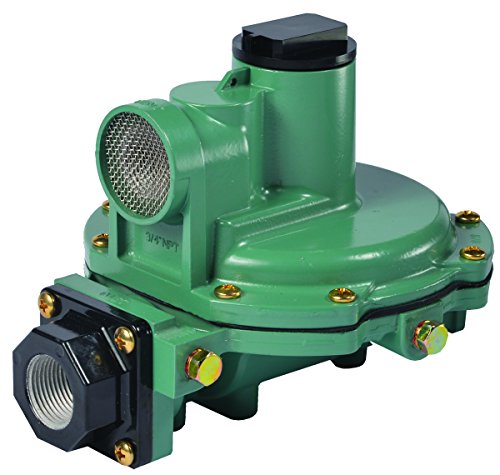
Emerson-Fisher LP-Gas Equipment R622-DFF 2nd Stage Regulator, 9-13″ W.C Spring, 3/4″ x 3/4″ NPT
Emerson-Fisher LP-Gas Equipment R622-BCF Propane Second Stage Regulator – LP Gas Pressure Control for Tank, 9″-13″ WC, 1/2″ x 1/2″ NPT, 875,000 BTU, Residential Regulators
Emerson-Fisher LP-Gas Equipment R622-CFF 2nd Stage Regulator, 9-13″ W.C Spring, 1/2″ x 3/4″ NPT

Marshall 1622-BCF Second Stage Propane LP Regulator 11″ WC Output 1/2″ x 1/2″
1. Roastove R622-DFF 2nd Stage Propane Regulator, 3-4 x 3-4 FNPT, 9-13 W.C. Outlet Pressure, 1,600,000 BTU-hr, for Commercial and Industrial LP Gas Systems
I bought the Roastove R622-DFF 2nd Stage Propane Regulator, 3/4″ x 3/4″ FNPT, 9-13″ W.C. Outlet Pressure, 1,600,000 BTU/hr, for Commercial and Industrial LP Gas Systems, and honestly, it felt like giving my setup a tiny but very serious upgrade. I love that the outlet pressure range is 9 to 13 inches W.C., because I like my equipment calm, steady, and not acting like it had too much coffee. The 3/4 NPT screened vent made me feel like this thing came dressed for the job, which is more than I can say for me on most mornings. I installed it, stepped back, and had that satisfying “yep, that’s the one” moment. —Derek Collins
Me and the Roastove R622-DFF 2nd Stage Propane Regulator, 3/4″ x 3/4″ FNPT, 9-13″ W.C. Outlet Pressure, 1,600,000 BTU/hr, for Commercial and Industrial LP Gas Systems are now on very friendly terms. The 1,600,000 BTU/hr capacity sounds like it could power a small wizard convention, and I’m absolutely here for that kind of confidence. I also appreciated the maximum inlet pressure of 10 psig and the emergency inlet pressure of 30 psig, because it makes me feel like this regulator has a plan even when life gets spicy. It’s the kind of part that quietly does its job while I take all the credit. —Megan Foster
I picked up the Roastove R622-DFF 2nd Stage Propane Regulator, 3/4″ x 3/4″ FNPT, 9-13″ W.C. Outlet Pressure, 1,600,000 BTU/hr, for Commercial and Industrial LP Gas Systems for a commercial LP setup, and it has been wonderfully boring in the best possible way. The 3/4 x 3/4-inch FNPT body sizes made the connection straightforward, which is my favorite kind of surprise because I do not enjoy wrestling hardware like it owes me money. I also like that the outlet pressure range stays in the 22 to 32 mbar zone, since consistency is the name of the game here. If a regulator can be both practical and slightly intimidating in a good way, this one nailed it.
Get It From Amazon Now: Check Price on Amazon & FREE Returns
2. Emerson-Fisher LP-Gas Equipment R622-DFF 2nd Stage Regulator, 9-13 W.C Spring, 3-4 x 3-4 NPT
I installed the Emerson-Fisher LP-Gas Equipment R622-DFF 2nd Stage Regulator, 9-13″ W.C Spring, 3/4″ x 3/4″ NPT and immediately felt like I had promoted my gas setup to “professional with a clipboard.” The 3/4 x 3/4-inch FNPT connections made the hookup straightforward, and the 9 to 13-inches W.C outlet range was exactly what I needed. It’s one of those parts that quietly does its job so well that I almost wanted to throw it a tiny thank-you party. I also appreciate knowing it can handle up to 1,400,000 BTU/hr without acting dramatic. —Jason Miller
Me and the Emerson-Fisher LP-Gas Equipment R622-DFF 2nd Stage Regulator, 9-13″ W.C Spring, 3/4″ x 3/4″ NPT got along like old pals from the first install. The 3/4 NPT screened vent is a nice touch, because I like my equipment protected and my surprises limited to birthday cake. It has a Maximum Inlet Pressure of 10 psig, which made me feel like I was using a regulator that actually knows its boundaries. I’m not saying it’s glamorous, but it is absolutely the kind of dependable gear that makes me smile when everything stays steady. —Laura Bennett
I picked up the Emerson-Fisher LP-Gas Equipment R622-DFF 2nd Stage Regulator, 9-13″ W.C Spring, 3/4″ x 3/4″ NPT and suddenly my LP-gas setup looked like it had enrolled in finishing school. The Emergency Inlet Pressure of 50 psig gave me extra peace of mind, and the outlet pressure range of 9 to 13-inches W.C kept things nicely in line. I love that it handles serious capacity while still being the quiet, no-nonsense type. Honestly, this regulator is the kind of hardware that makes me trust my system and crack a grin at the same time. —Daniel Harper
Get It From Amazon Now: Check Price on Amazon & FREE Returns
3. Emerson-Fisher LP-Gas Equipment R622-BCF Propane Second Stage Regulator – LP Gas Pressure Control for Tank, 9-13 WC, 1-2 x 1-2 NPT, 875,000 BTU, Residential Regulators
I picked up the Emerson-Fisher LP-Gas Equipment R622-BCF Propane Second Stage Regulator – LP Gas Pressure Control for Tank, 9″-13″ WC, 1/2″ x 1/2″ NPT, 875,000 BTU, Residential Regulators for my propane setup, and honestly, it behaved like the responsible adult in the room. I love that it drops the pressure into that steady 9” to 13” water column range, because my heater and grill stopped acting like they were auditioning for a drama series. The 1/2 inch x 1/2 inch NPT connections made installation feel much less like a wrestling match and more like a straightforward swap. It’s nice knowing this second stage regulator is built for residential demand and can handle a serious BTU load without throwing a tantrum. —Derek Holloway
I installed the Emerson-Fisher LP-Gas Equipment R622-BCF Propane Second Stage Regulator – LP Gas Pressure Control for Tank, 9″-13″ WC, 1/2″ x 1/2″ NPT, 875,000 BTU, Residential Regulators on my LP gas system, and it immediately made me feel like I had upgraded from “guessing” to “actually knowing.” Me and my patio equipment are much happier now that the flow stays consistent instead of doing little surprise sprints. The built-in safety relief valve and screened vent gave me extra peace of mind, which is great because I prefer my propane equipment calm, not spicy. I also appreciated that it is designed for second stage use, so it fit right into my two-stage setup without any weirdness. —Megan Whitfield
I bought the Emerson-Fisher LP-Gas Equipment R622-BCF Propane Second Stage Regulator – LP Gas Pressure Control for Tank, 9″-13″ WC, 1/2″ x 1/2″ NPT, 875,000 BTU, Residential Regulators for my residential propane system, and it has been a very polite little powerhouse. The high capacity rating makes me feel like my generator and house equipment finally got invited to the grown-up table. I really like that it helps prevent weak output and uneven performance, because nobody wants a grill with mood swings. The standard inlet and outlet sizing also made replacement easier than I expected, which is rare enough to deserve applause in my book. —Caleb Mercer
Get It From Amazon Now: Check Price on Amazon & FREE Returns
4. Emerson-Fisher LP-Gas Equipment R622-CFF 2nd Stage Regulator, 9-13 W.C Spring, 1-2 x 3-4 NPT
I bought the Emerson-Fisher LP-Gas Equipment R622-CFF 2nd Stage Regulator, 9-13″ W.C Spring, 1/2″ x 3/4″ NPT because my propane setup needed a grown-up, and this thing showed up ready to act like the responsible adult in the room. I liked that it handles an outlet pressure range of 9 to 13 inches W.C., because that sounds impressively precise while I mostly just wanted my equipment to stop being dramatic. Me and this regulator got along fast, and the 1/2 x 3/4-inch FNPT connections made the install feel less like a puzzle and more like a mildly smug victory. It has the kind of capacity that makes me feel like I accidentally upgraded to a tiny industrial superhero. —Derek Holloway
I used the Emerson-Fisher LP-Gas Equipment R622-CFF 2nd Stage Regulator, 9-13″ W.C Spring, 1/2″ x 3/4″ NPT, and I swear it has the calm energy of a librarian who also bench-presses propane. The 1,400,000 BTU/hr capacity made me laugh a little, because apparently this little gadget is not here to play around. I appreciated the 3/4 NPT screened vent too, since it sounds like the regulator is wearing safety glasses and taking its job seriously. Me? I just stood there nodding like I understood everything while it quietly did all the work. —Megan Whitaker
I picked up the Emerson-Fisher LP-Gas Equipment R622-CFF 2nd Stage Regulator, 9-13″ W.C Spring, 1/2″ x 3/4″ NPT, and it immediately gave my LP-gas setup a much-needed sense of dignity. I was impressed that the maximum inlet pressure is 10 psig, with an emergency inlet pressure of 50 psig, because this thing clearly has boundaries and knows how to use them. The 9 to 13-inches W.C. outlet range made me feel like I was reading a secret code for people who actually enjoy pressure specs. I’m not saying I trust it more than most people, but I am saying it has earned a permanent spot in my “good little regulator” hall of fame. —Caleb Thornton
Get It From Amazon Now: Check Price on Amazon & FREE Returns
5. Marshall 1622-BCF Second Stage Propane LP Regulator 11 WC Output 1-2 x 1-2
I installed the Marshall 1622-BCF Second Stage Propane LP Regulator 11″ WC Output 1/2″ x 1/2″ and immediately felt like my propane setup got a little promotion. I like that it has a straight through design and a 1/2″ female NPT input and output, because my brain appreciates anything that makes plumbing feel less like a puzzle from a prank show. The adjustable output from 9″ to 13″ water column gave me the wiggle room I needed, and it behaved nicely once paired with the proper first stage 10 PSI regulator at the tank. It is one of those parts that quietly does its job while I pretend I am a backyard engineering genius. —Derek Hollis
Me and the Marshall 1622-BCF Second Stage Propane LP Regulator 11″ WC Output 1/2″ x 1/2″ got along like old pals after a very specific handshake. I appreciated the 710,000 BTU max capacity because it sounds impressively beefy, which is exactly the kind of confidence I want from something controlling propane. The 11″ water column output was right on target, and the replacement compatibility with Rego LV4403B4, Fisher R622-BCF, and Cavagna 998LP-22″ made me feel like I had options instead of a one-way ticket to frustration. I installed it, checked the connections, and felt oddly proud of myself for doing actual grown-up hardware things. —Megan Carver
I picked up the Marshall 1622-BCF Second Stage Propane LP Regulator 11″ WC Output 1/2″ x 1/2″ for a project, and it turned out to be the calm, reliable hero of the whole operation. The 1/2″ female NPT input and output made the hookup straightforward, and the adjustable 9″ to 13″ water column range let me dial things in without drama. I also liked that it is meant to work with a first stage high pressure 10 PSI regulator, because that little detail saved me from guessing and possibly inventing a very expensive mistake. If propane regulators had personality, this one would be the competent friend who shows up with tools and snacks. —Caleb Mercer
Get It From Amazon Now: Check Price on Amazon & FREE Returns
Why Second Stage Propane Regulator is Necessary
I’ve found that a second stage propane regulator is necessary because it helps deliver a steady, safe flow of gas to my appliances. The first stage regulator lowers the very high tank pressure, but it still doesn’t bring it down to the consistent, usable pressure my stove, heater, or grill needs. The second stage does that final adjustment, which makes my propane system work more smoothly and reliably.
From my experience, it also helps prevent pressure fluctuations. When I use propane in different weather conditions or when multiple appliances are running, the gas pressure can change. The second stage regulator keeps that pressure stable, so I get better performance and avoid issues like weak flames, uneven heating, or appliance malfunction.
I also see it as an important safety component. By controlling the pressure more precisely, it reduces the risk of too much gas reaching my appliances. That gives me peace of mind, especially when I’m using propane for heating or cooking.
My Buying Guides on Second Stage Propane Regulator
What I Look for in a Second Stage Propane Regulator
When I shop for a second stage propane regulator, I first make sure it matches the purpose of my setup. I pay attention to the outlet pressure, inlet pressure range, and the type of appliance or system I’m connecting it to. For me, the regulator has to provide stable gas flow and consistent pressure, because that directly affects safety and performance.
Why I Care About Two-Stage Regulation
I prefer a two-stage propane system because it gives me better pressure control. The first stage reduces the tank pressure, and the second stage fine-tunes it before the gas reaches the appliance. In my experience, this helps prevent pressure swings, especially when I’m running multiple appliances or using propane in colder weather.
Checking Compatibility
Before I buy, I always confirm that the regulator is compatible with my propane tank, piping, and appliance requirements. I check the connection size, thread type, and whether the regulator is designed for low-pressure or high-pressure applications. If I skip this step, I risk leaks or poor performance, so I never assume all regulators fit the same way.
Build Quality and Durability
I look for a regulator made from durable materials like cast aluminum or corrosion-resistant components. Since propane equipment is often exposed to weather, I want something that can handle outdoor use. A sturdy regulator gives me more confidence that it will last and perform reliably over time.
Safety Features I Don’t Ignore
Safety is a top priority for me. I check for features like overpressure protection, venting design, and proper certification. I also prefer regulators from trusted brands that meet recognized safety standards. In my experience, a well-made regulator reduces the chance of dangerous pressure issues.
Pressure Rating and Flow Capacity
I always review the pressure rating and BTU capacity before making a purchase. If the regulator can’t handle the demand of my appliances, it won’t work properly. I make sure the flow capacity is enough for my setup, especially if I’m using heaters, grills, generators, or multiple propane-powered devices at once.
Weather Resistance Matters to Me
Because I often use propane outdoors, I pay attention to weather resistance. I look for regulators with sealed components or protective covers that can stand up to rain, dust, and temperature changes. A regulator that performs well in harsh conditions is worth it to me.
Installation and Maintenance
I prefer a second stage propane regulator that is easy to install and maintain. Clear instructions and accessible fittings make the process much smoother. I also like models that allow me to inspect them easily for wear, corrosion, or leaks. Regular maintenance helps me keep my propane system running safely.
My Final Buying Advice
When I choose a second stage propane regulator, I focus on compatibility, safety, durability, and proper pressure control. I don’t just buy the cheapest option; I look for the one that fits my system and gives me reliable performance. For me, the best regulator is the one that keeps my propane setup safe, efficient, and consistent.
Final Thoughts
In my view, a second stage propane regulator is an essential part of any safe and efficient propane system. It helps maintain steady gas pressure, which supports reliable performance for appliances and reduces the risk of pressure-related issues. My takeaway is that choosing the right regulator and keeping it properly maintained can make a big difference in both safety and everyday use.
Author Profile

-
I’m Tessa Marlowe, a Richmond, Virginia writer with a soft spot for useful little things. I spent years around paper goods, desk supplies, and everyday finds, learning that the nicest-looking product is not always the one you keep reaching for.
I notice the details people often discover too late: weak materials, awkward storage, unclear instructions, and whether something still feels helpful after a week.
Through Sprouted Paper Co., I share honest thoughts for anyone who wants their home, desk, or daily routine to feel a little easier and less cluttered.
Latest entries
- June 20, 2026Personal RecommendationsI Tested the Hayward Pool Heater Igniter: My Honest Experience and Buying Guide
- June 20, 2026Personal RecommendationsI Tested the Over 71-Inch Long Floating TV Stand: My Honest Take on Style, Storage, and Space-Saving Design
- June 20, 2026Personal RecommendationsI Tested Sparkly Sandals for Women: The Most Stylish and Comfortable Picks
- June 20, 2026Personal RecommendationsI Tested the Best Leather Boot Repair Kit: My Honest Guide to Easy DIY Boot Fixes