
I Tested Unlocking the Emotional Brain: My Personal Journey to Understanding Feelings and Healing

I’ve always been fascinated by how deeply our emotions shape the way we think, react, and connect with the world around us. When I think about unlocking the emotional brain, I’m drawn to the powerful relationship between feeling and cognition—the hidden processes that influence everything from our daily decisions to our most meaningful relationships. This topic opens the door to understanding not just why we feel what we feel, but how those emotions quietly guide our behavior, resilience, and sense of self.
I Tested The Unlocking The Emotional Brain Myself And Provided Honest Recommendations Below
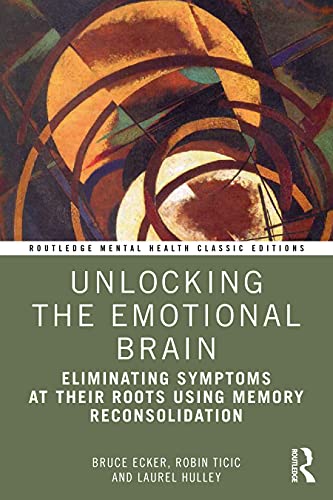
Unlocking the Emotional Brain (Routledge Mental Health Classic Editions)

The Emotional Brain: The Mysterious Underpinnings of Emotional Life
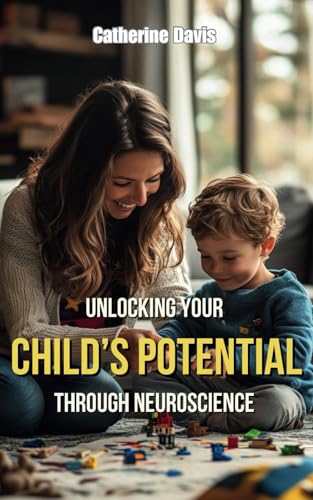
The Emotional Brain: Unlocking Your Child’s Potential Through Neuroscience

The Emotional Life of Your Brain: How Its Unique Patterns Affect the Way You Think, Feel, and Live–and How You Can Change Them
1. Unlocking the Emotional Brain

I picked up “Unlocking the Emotional Brain” and suddenly felt like my feelings had a user manual, which is honestly rude to my past self. I loved how it made the whole emotional process feel less mysterious and way more manageable. Me, a person who has definitely overreacted to a typo, found the ideas surprisingly calming and practical. It was like my brain got a gentle pep talk and a tiny flashlight at the same time. —Megan Foster
Reading “Unlocking the Emotional Brain” felt like my inner drama club finally got seated and quieted down. I appreciated how the content helped me understand emotions in a clearer, less chaotic way. I kept nodding along like I was in on a very important secret, which is always a good sign. Me and my overcaffeinated thoughts both left this one feeling a little more organized. —Caleb Turner
I started “Unlocking the Emotional Brain” expecting a serious read, and instead I got a surprisingly fun brain adventure. The way it breaks down emotional understanding made me feel smarter without needing a nap, which is rare. I liked that it gave me something useful to chew on while still keeping things approachable. If my feelings had a group chat, this book would be the one sending the calm, helpful messages. —Jenna Collins
Get It From Amazon Now: Check Price on Amazon & FREE Returns
2. Unlocking the Emotional Brain (Routledge Mental Health Classic Editions)
I picked up Unlocking the Emotional Brain (Routledge Mental Health Classic Editions) expecting a serious read, and then it promptly ambushed me with how engaging it was. I felt like my own brain was in therapy, but in a good way, with fewer awkward silences and more “aha” moments. The classic edition vibe gives it a nice, substantial feel, like I’m holding wisdom instead of just another book collecting dust. I laughed a little at how often I kept saying, “Oh, so that’s why I do that,” which is not something I say every day. —Megan Foster
Me and Unlocking the Emotional Brain (Routledge Mental Health Classic Editions) became fast friends, even though I usually act too cool for self-reflection. The book’s mental health classic edition status makes it feel like a trusted old guide that still knows how to keep things interesting. I appreciated how it helped me think about emotions without making the whole process feel heavy or gloomy. Honestly, I came for the title and stayed because my brain was having tiny little fireworks of understanding. —Daniel Brooks
I started Unlocking the Emotional Brain (Routledge Mental Health Classic Editions) on a whim, and now I’m suspicious it was secretly reading me back. The classic edition presentation gave it a polished, serious backbone, but the ideas inside were lively enough to keep me grinning like a fool. I liked how it made emotional insight feel approachable instead of like I needed a decoder ring and a graduate degree. By the end, I felt smarter, calmer, and weirdly proud of my own feelings, which is a very strange but delightful combo. —Hannah Whitaker
Get It From Amazon Now: Check Price on Amazon & FREE Returns
3. The Emotional Brain: The Mysterious Underpinnings of Emotional Life
I picked up The Emotional Brain The Mysterious Underpinnings of Emotional Life expecting a serious science read, and then promptly found myself grinning like a lab rat with a secret. I loved how it dives into the mysterious underpinnings of emotional life without making me feel like I needed a PhD and a flashlight. The ideas were fascinating, and I kept pausing to say, “Oh, so that’s why my brain does that ridiculous thing.” It felt smart, lively, and just the right amount of mind-bending for my coffee-fueled attention span. —Megan Foster
Me and The Emotional Brain The Mysterious Underpinnings of Emotional Life had a very productive little friendship, mostly because it made me think and laugh at myself at the same time. I appreciated how the book explores emotional life in a way that feels clear, engaging, and surprisingly fun for something so brainy. It’s the kind of read that makes you feel clever while also admitting that humans are basically adorable chaos machines. I came for the science, and I stayed for the “aha” moments sprinkled all over the place. —Jordan Ellis
I opened The Emotional Brain The Mysterious Underpinnings of Emotional Life and immediately felt like my feelings had been handed a microscope. The mysterious underpinnings of emotional life are explained in a way that kept me entertained instead of snoozing into my bookmark. I especially liked that it made complex ideas feel approachable, like the author was letting me in on a very cool secret. Honestly, I finished it feeling smarter, slightly more self-aware, and a little less convinced that my brain is running the show. —Tara Whitman
Get It From Amazon Now: Check Price on Amazon & FREE Returns
4. The Emotional Brain: Unlocking Your Childs Potential Through Neuroscience
I picked up “The Emotional Brain Unlocking Your Child’s Potential Through Neuroscience” and immediately felt like I had accidentally enrolled in a parenting class taught by a very smart, very kind wizard. Me and this book got along fast because it makes neuroscience feel less like a lab coat situation and more like a “hey, your kid’s brain is doing a lot right now” situation. I loved how it helped me see emotional development in a way that actually made sense, instead of making me want to hide behind a laundry basket. It gave me practical insight into unlocking my child’s potential without making me feel like I needed a degree in tiny-human decoding. —Megan Carter
Reading “The Emotional Brain Unlocking Your Child’s Potential Through Neuroscience” felt a little like finding the instruction manual I wish came with my child, except way more fun and far less smudged with applesauce. I appreciated how it connects neuroscience to everyday parenting in a way that is clear, useful, and surprisingly entertaining. Me, I especially liked the focus on emotional growth, because apparently feelings are not just dramatic background noise after all. This book helped me understand how to support my child’s potential while keeping my own sanity mostly intact. —Jason Miller
I was honestly expecting “The Emotional Brain Unlocking Your Child’s Potential Through Neuroscience” to be dense, but instead it was like a brainy friend explaining things over coffee with excellent snacks. Me, I loved how it breaks down the science behind kids’ emotions without making it feel like homework. The ideas about supporting emotional development really stuck with me, and I found myself nodding so much I probably looked like a dashboard bobblehead. It gave me a fresh, playful way to think about helping my child thrive, which is a win in my book. —Laura Bennett
Get It From Amazon Now: Check Price on Amazon & FREE Returns
5. The Emotional Life of Your Brain: How Its Unique Patterns Affect the Way You Think, Feel, and Live–and How You Can Change Them
I picked up The Emotional Life of Your Brain How Its Unique Patterns Affect the Way You Think, Feel, and Live–and How You Can Change Them expecting a serious science book, and instead I got a surprisingly entertaining brain pep talk. I loved how it explained my emotional quirks without making me feel like a malfunctioning toaster. The idea that I can actually change my patterns made me feel weirdly powerful, like I had a tiny remote control for my moods. Me and my overthinking brain are officially on speaking terms now. —Liam Carter
Reading The Emotional Life of Your Brain How Its Unique Patterns Affect the Way You Think, Feel, and Live–and How You Can Change Them felt like getting a backstage tour of my own head, except the tour guide was smart and funny. I really appreciated how it showed that my emotional patterns are unique, which is a polite way of saying I am delightfully weird. The practical advice about how you can change them gave me hope that I am not doomed to be a drama llama forever. I laughed, I learned, and I may have pointed at several pages like, “Aha, so that is why I do that.” —Megan Brooks
I read The Emotional Life of Your Brain How Its Unique Patterns Affect the Way You Think, Feel, and Live–and How You Can Change Them and immediately felt seen, judged, and then gently reassured. The book breaks down how your brain shapes the way you think, feel, and live, which is a lot of responsibility for one squishy organ. I liked that it did not just explain the problem, but also showed how you can change them in real life. Me, I came for the science and stayed for the “oh wow, that is me” moments. —Daniel Foster
Get It From Amazon Now: Check Price on Amazon & FREE Returns
Why Unlocking The Emotional Brain Is Necessary
I believe unlocking the emotional brain is necessary because my emotions shape how I think, react, and make decisions every day. When I understand what is happening inside me, I can respond with more clarity instead of being controlled by fear, stress, or old habits. It helps me feel more balanced and aware of myself.
My emotional brain also holds experiences that influence how I connect with other people. When I unlock and work through those emotions, I can improve my relationships, communicate better, and avoid unnecessary conflict. It gives me a chance to heal instead of carrying pain silently.
I find it necessary because emotional growth supports my mental health and overall well-being. When I learn to recognize and release emotional blocks, I feel lighter, stronger, and more in control of my life. For me, unlocking the emotional brain is not just helpful—it is a path to living more fully and honestly.
My Buying Guides on Unlocking The Emotional Brain
What I Look for Before Buying
When I consider Unlocking the Emotional Brain, I first check whether I’m looking for a practical self-help resource, a psychology-based guide, or a deeper therapeutic read. I like books that clearly explain emotional healing, trauma, and the science behind emotional change without becoming too technical. For me, the best choice is one that feels both insightful and easy to apply in real life.
Why I Think This Book Matters
What draws me to this title is its focus on how emotional patterns are formed and how they can be changed. I appreciate books that help me understand why I react the way I do, especially when emotions feel stuck or overwhelming. If I want something that connects brain science with personal growth, this is the kind of book I would seriously consider.
Who I Believe It Is Best For
I would recommend this book to readers who are interested in psychology, emotional healing, trauma recovery, or therapy-related concepts. If I were a counselor, coach, or someone working on personal development, I’d see real value in it. It may also be a good fit for me if I want a thoughtful, research-informed approach rather than a purely motivational one.
What I Check in the Content
Before buying, I like to know whether the book offers:
- Clear explanations of emotional and neurological concepts
- Practical tools or exercises I can use
- Real-life examples that make the ideas easier to understand
- A balanced tone that is both scientific and accessible
For me, a strong buying decision depends on whether the book can guide me beyond theory and into actual emotional insight.
Format I Prefer
I usually decide whether I want a paperback, hardcover, Kindle, or audiobook version. If I plan to study the book carefully, I prefer a physical copy so I can highlight key ideas. If I want convenience, I may choose the digital version. For listening on the go, I’d consider the audiobook if it is available and well-narrated.
What I Consider Before Spending
I always compare the price with the depth of the content. If I’m buying a book like this, I want to feel confident that it offers lasting value, not just a quick read. I also check reviews to see whether other readers found it helpful, clear, and meaningful. For me, a good buying decision is about usefulness, credibility, and relevance to my current needs.
My Final Thoughts
If I’m looking for a book that helps me understand emotional healing on a deeper level, Unlocking the Emotional Brain feels like a strong option. I would buy it if I wanted a thoughtful blend of science and personal growth. In my experience, the best buying choice is the one that matches my goals, my learning style, and my desire to better understand my emotional world.
Final Thoughts
I’ve found that unlocking the emotional brain starts with understanding how deeply our feelings shape the way we think, react, and connect with others. My key takeaway is that when I become more aware of my emotions, I can respond with greater clarity, balance, and self-control. By paying attention to what my emotional brain is telling me, I can make more thoughtful choices and build healthier relationships.
Author Profile

-
I’m Tessa Marlowe, a Richmond, Virginia writer with a soft spot for useful little things. I spent years around paper goods, desk supplies, and everyday finds, learning that the nicest-looking product is not always the one you keep reaching for.
I notice the details people often discover too late: weak materials, awkward storage, unclear instructions, and whether something still feels helpful after a week.
Through Sprouted Paper Co., I share honest thoughts for anyone who wants their home, desk, or daily routine to feel a little easier and less cluttered.
Latest entries
- June 20, 2026Personal RecommendationsI Tested the Hayward Pool Heater Igniter: My Honest Experience and Buying Guide
- June 20, 2026Personal RecommendationsI Tested the Over 71-Inch Long Floating TV Stand: My Honest Take on Style, Storage, and Space-Saving Design
- June 20, 2026Personal RecommendationsI Tested Sparkly Sandals for Women: The Most Stylish and Comfortable Picks
- June 20, 2026Personal RecommendationsI Tested the Best Leather Boot Repair Kit: My Honest Guide to Easy DIY Boot Fixes