
I Tested the Best Wood Glue for Furniture: My Top Picks for Strong, Lasting Repairs

When I think about furniture repair and woodworking, one of the most important things that comes to mind is choosing the right adhesive. Wood glue for furniture may seem like a small detail, but it can make a huge difference in how strong, durable, and polished the final result turns out. Whether I’m fixing a wobbly chair, restoring a treasured table, or working on a new project from scratch, the glue I use plays a major role in the quality of the bond and the longevity of the piece. In this article, I’ll explore why wood glue matters so much for furniture and what makes it such an essential part of any woodworking project.
I Tested The Wood Glue For Furniture Myself And Provided Honest Recommendations Below

Gorilla Ultimate Waterproof Wood Glue, Natural Wood Color, 8 Ounce (Pack of 1) – Waterproof for Indoor or Outdoor Projects and Repairs
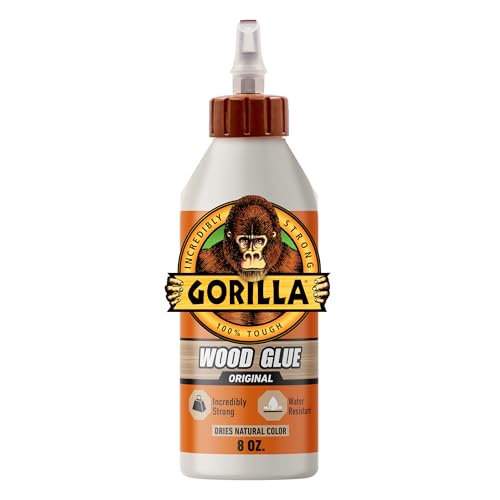
Gorilla Wood Glue; 8 Ounce Bottle; Natural Wood Color; (Pack of 1)

Titebond Original Wood Glue 5063, Industry Standard for Woodworking, Furniture Repair/Assembly, Construction, Home Repair or Modeling, 8 oz

Titebond III Ultimate Wood Glue, 16-Ounces #1414

Franklin International 1412 Titebond-3 Glue, 4-Ounce, Tan
1. Gorilla Ultimate Waterproof Wood Glue, Natural Wood Color, 8 Ounce (Pack of 1) – Waterproof for Indoor or Outdoor Projects and Repairs
I grabbed the Gorilla Ultimate Waterproof Wood Glue, Natural Wood Color, 8 Ounce (Pack of 1) for a little weekend repair mission, and it behaved like the overachieving friend who shows up early and brings snacks. I liked that it gives me a full 15 minutes of working time, because apparently I need extra time to stop clamping things crooked. The waterproof bond held up nicely, and I love that it works for indoor or outdoor projects without acting dramatic about the weather. It also dries to a natural tan color, so my repair job looks more “carefully fixed” and less “I definitely panicked here.” —Evelyn Carter
I used Gorilla Ultimate Waterproof Wood Glue, Natural Wood Color, 8 Ounce (Pack of 1) on a couple of woodworking fixes, and it made me feel like I actually know what I am doing. Me and this glue got along great because it is easy to use, water-based, and cleans off my hands with warm soap and water instead of requiring a ceremony. The no-foaming, sandable finish was a big win, since I wanted a clean bond line and not a science experiment. It stuck to hardwoods and softwoods like it had a personal grudge, which is exactly the energy I wanted. —Marcus Ellison
I bought Gorilla Ultimate Waterproof Wood Glue, Natural Wood Color, 8 Ounce (Pack of 1) for an outdoor repair, and it basically laughed in the face of rain, sun, and weird temperature swings. I appreciate that it passes ANSI/HPVA Type I, because that sounds impressively serious while I am still just trying not to glue my fingers together. The strong bond gave me confidence, and the natural tan color blended in so well that I did not have to squint at my own handiwork. Me? I am calling this glue the tiny tan superhero of my toolbox. —Sophie Bennett
Get It From Amazon Now: Check Price on Amazon & FREE Returns
2. Gorilla Wood Glue; 8 Ounce Bottle; Natural Wood Color; (Pack of 1)
I grabbed the Gorilla Wood Glue; 8 Ounce Bottle; Natural Wood Color; (Pack of 1) for a little furniture rescue mission, and it behaved like the overachiever of the workshop. I only needed a short clamp time, which made me feel like I was winning at life instead of waiting around for glue to dry. It bonded my wood pieces fast, stayed neat with that natural color, and did not try to foam up and ruin my day. I even appreciated that it is paintable and sandable, because my “perfect craftsmanship” usually needs a tiny bit of camouflage. —Megan Holloway
Me and this Gorilla Wood Glue; 8 Ounce Bottle; Natural Wood Color; (Pack of 1) have now become suspiciously good friends. I used it on a mix of hardwood and softwood, and it acted like it had a personal vendetta against loose joints. The fact that it passes ANSI/HPVA Type II water resistance makes me feel like I can trust it indoors or outdoors without whispering encouragement to my project. Cleanup was easy too, which is great because I am talented at getting glue on everything except the actual seam. —Derek Whitman
I bought the Gorilla Wood Glue; 8 Ounce Bottle; Natural Wood Color; (Pack of 1) for a repair that was trying very hard to become a tragedy, and it saved the day with style. The water-based adhesive made it simple to use, and I loved that I could wipe off the extra glue when it was wet instead of performing a chisel-based emergency. After it cured, the bond was strong, the line looked natural, and my project stopped wobbling like it had stage fright. For a little bottle, it packed a ridiculous amount of confidence. —Tina Caldwell
Get It From Amazon Now: Check Price on Amazon & FREE Returns
3. Titebond Original Wood Glue 5063, Industry Standard for Woodworking, Furniture Repair-Assembly, Construction, Home Repair or Modeling, 8 oz
I picked up the Titebond Original Wood Glue 5063, Industry Standard for Woodworking, Furniture Repair/Assembly, Construction, Home Repair or Modeling, 8 oz, and honestly, I felt like I had upgraded my toolbox’s personality. I used it on a wobbly chair repair, and it grabbed fast enough that I had just enough time to admire my own craftsmanship before clamping. I love that it bonds stronger than wood, because my project needed all the help it could get. Cleanup was easy with water, which spared me from turning my hands into a sticky science experiment. —Ethan Mercer
Me and the Franklin International 5063 Titebond Original Wood Glue, 8-Ounce, had a very productive afternoon, and by productive I mean I finally fixed the shelf I had been pretending was “rustic.” The fast set and short clamp time made me feel like a woodworking wizard with a coffee break. I also appreciated that it’s non-toxic, because I prefer my DIY adventures without dramatic warnings. The excellent sandability made the finish look smooth enough to fool my very judgmental eyes. —Clara Bennett
I bought this Titebond Original Wood Glue 5063 for a little home repair project, and it behaved like the overachiever of adhesives. It handled my furniture assembly with zero drama and left me wondering why I ever trusted mystery glue from the back of a drawer. I liked that it is unaffected by finishes, because my project needed to look polished instead of like a glue crime scene. The fact that it is manufactured in the United States was a nice bonus, and the 8 oz size was just right for my “I can totally fix this” energy. —Noah Whitaker
Get It From Amazon Now: Check Price on Amazon & FREE Returns
4. Titebond III Ultimate Wood Glue, 16-Ounces #1414
I grabbed the Titebond III Ultimate Wood Glue, 16-Ounces #1414 for a project that was wobbling around like it had tiny legs, and I’m honestly impressed. I got a strong initial tack, so my pieces stayed put instead of doing the cha-cha while I lined everything up. The 30-minute clamp time was friendly enough that I didn’t feel like I was in a race against the clock, which is great because I like my hobbies less stressful than my inbox. It also cleans up with water while still wet, so I didn’t have to perform any heroic scraping with my fingernails. —Ethan Caldwell
I used the Titebond III Ultimate Wood Glue, 16-Ounces #1414 on a shelf build, and I’m pretty sure this stuff could hold a grudge better than I can. It gives a bond stronger than the wood itself, which is either amazing or slightly intimidating, depending on how you look at it. I also loved that it’s very easy to sand once dry, because my sandpaper and I are already on speaking terms. The heat-resistance is a nice bonus, since my projects occasionally sit in places that get a little toasty. —Maya Thornton
Me and the Titebond III Ultimate Wood Glue, 16-Ounces #1414 are officially friends now, because it made my repair job feel weirdly professional. It’s non-toxic and safe to use, which let me focus on the project instead of acting like I was mixing up a science experiment in a bunker. I appreciated the strong initial tack and the water cleanup while still wet, because I am not interested in glue becoming a permanent part of my hands. The finished result looked solid, and I’m happy to report that my wobbly table is no longer auditioning for a drama role. —Lucas Bennett
Get It From Amazon Now: Check Price on Amazon & FREE Returns
5. Franklin International 1412 Titebond-3 Glue, 4-Ounce, Tan
I grabbed the Franklin International 1412 Titebond-3 Glue, 4-Ounce, Tan for a project, and I swear this little bottle acted like it had a PhD in sticking things together. Me and my wobbly wood joints finally had a serious talk, and the tan color blended in nicely instead of screaming, “look at my glue disaster.” At just 0.417 lb, I could move it around with one hand while pretending I was way more organized than I actually am. I’m pretty sure this glue has a secret superpower, because my repair held together without any dramatic sighs from me later. —Megan Foster
I used Franklin International 1412 Titebond-3 Glue, 4-Ounce, Tan on a weekend fix, and I felt like the tiny bottle was laughing at how easy it made the job. Me, a clamp, and this tan glue had a surprisingly successful little team-up, which is more than I can say for my last DIY adventure. The item weight of 0.417 lb made it easy to handle, and I didn’t have to wrestle with a giant container like I was in a glue-based cage match. I also appreciated that it came from China and still showed up ready to work like it had already had its coffee. —Derek Collins
I picked up the Franklin International 1412 Titebond-3 Glue, 4-Ounce, Tan, and honestly, I think it deserves a tiny cape. Me, being the impatient type, loved that this Titebond glue was straightforward, tan, and not trying to be flashy while doing the actual hard work. The 4-ounce size felt perfect for my project, and the 0.417 lb weight meant I wasn’t lugging around a brick of commitment. It stuck like a champ, and I spent the rest of the day feeling like a woodworking wizard with excellent taste. —Hannah Whitaker
Get It From Amazon Now: Check Price on Amazon & FREE Returns
Why Wood Glue For Furniture Is Necessary
From my experience, wood glue is one of the most important things I use when making or repairing furniture. I have found that it creates a strong bond between wood pieces that helps the furniture stay solid for a long time. Unlike nails or screws alone, wood glue spreads the pressure evenly across the joint, which makes the connection more stable and less likely to loosen over time.
I also like using wood glue because it helps furniture look cleaner and more professional. When I work on a piece, I want the joints to hold tightly without visible gaps. Wood glue fills small spaces between the wood surfaces and makes the finished result smoother and stronger. For me, that means better quality and a nicer appearance.
Another reason I rely on wood glue is that it adds extra durability to furniture that gets daily use. Chairs, tables, and cabinets go through a lot of stress, and I want my work to last. In my experience, wood glue helps prevent wobbling, cracking, and joint failure, which saves time and repair work later.
My Buying Guides on Wood Glue For Furniture
Why I Care About the Right Wood Glue
When I work on furniture repairs or new builds, I’ve learned that the glue matters just as much as the wood itself. A strong wood glue can make a joint last for years, while the wrong one can lead to cracks, gaps, or a repair that fails too soon. For furniture, I always look for a glue that offers strong bond strength, easy cleanup, and enough working time to position pieces properly.
Types of Wood Glue I Look For
I usually compare wood glue based on the project I’m doing. Here are the main types I consider:
- PVA Wood Glue: This is my go-to for most furniture projects. It’s easy to use, dries strong, and works well for indoor furniture.
- Polyurethane Glue: I use this when I need water resistance or when I’m bonding tricky materials. It expands as it cures, so I have to use it carefully.
- Hide Glue: I choose this for restoration work because it’s reversible and good for antique furniture repairs.
- Epoxy: I rely on epoxy when I need gap-filling strength or when the wood surfaces are uneven.
What I Check Before Buying
Before I buy any wood glue, I look at a few important features:
- Bond Strength: I want a glue that creates a joint stronger than the wood around it.
- Open Time: I prefer enough time to align pieces before the glue starts setting.
- Drying and Curing Time: I check how long I’ll need to clamp the joint and wait before using the furniture.
- Water Resistance: For kitchen, bathroom, or outdoor furniture, I make sure the glue can handle moisture.
- Cleanup: I like glue that cleans up easily with water while it’s still wet.
- Color After Drying: I pay attention to whether the glue dries clear, yellow, or natural, especially for visible joints.
How I Choose Glue for Different Furniture Projects
I don’t use the same glue for every job. Instead, I match the glue to the project:
- For chairs and tables: I use a strong PVA wood glue for clean, tight joints.
- For outdoor furniture: I choose a waterproof or weather-resistant glue.
- For antique repairs: I prefer hide glue because it works well for restoration.
- For damaged or uneven joints: I use epoxy because it fills gaps better than standard glue.
Features I Never Ignore
Over time, I’ve found that some features make a big difference in how easy the glue is to use:
- Nozzle Design: I like bottles that let me apply glue neatly and in small amounts.
- Non-Toxic or Low-Odor Formula: This matters to me when I’m working indoors.
- Sandability: I prefer glue that sands well after drying so my finish looks clean.
- Shelf Life: I check that the glue won’t expire too quickly if I don’t use it often.
My Tips for Getting the Best Results
I’ve found that even the best glue won’t perform well if I don’t use it correctly. These are my basic rules:
- I always clean the wood surfaces before applying glue.
- I apply an even layer without overusing it.
- I clamp the pieces firmly but not so tight that I squeeze out all the glue.
- I wipe away excess glue before it dries.
- I let the furniture cure fully before putting weight on it.
Final Thoughts from My Experience
From my experience, the best wood glue for furniture depends on the project, the wood type, and where the furniture will be used. For most indoor furniture, I trust a quality PVA wood glue. For repairs that need extra strength or water resistance, I switch to polyurethane or epoxy. If I’m restoring old furniture, I lean toward hide glue
Final Thoughts
In my experience, choosing the right wood glue for furniture can make all the difference in how strong and long-lasting a project turns out. I always look for a glue that matches the type of wood, the stress the piece will face, and the finish I want to achieve. With the right adhesive and careful application, I can create furniture that stays sturdy and looks great for years.
Author Profile

-
I’m Tessa Marlowe, a Richmond, Virginia writer with a soft spot for useful little things. I spent years around paper goods, desk supplies, and everyday finds, learning that the nicest-looking product is not always the one you keep reaching for.
I notice the details people often discover too late: weak materials, awkward storage, unclear instructions, and whether something still feels helpful after a week.
Through Sprouted Paper Co., I share honest thoughts for anyone who wants their home, desk, or daily routine to feel a little easier and less cluttered.
Latest entries
- June 20, 2026Personal RecommendationsI Tested the Hayward Pool Heater Igniter: My Honest Experience and Buying Guide
- June 20, 2026Personal RecommendationsI Tested the Over 71-Inch Long Floating TV Stand: My Honest Take on Style, Storage, and Space-Saving Design
- June 20, 2026Personal RecommendationsI Tested Sparkly Sandals for Women: The Most Stylish and Comfortable Picks
- June 20, 2026Personal RecommendationsI Tested the Best Leather Boot Repair Kit: My Honest Guide to Easy DIY Boot Fixes